
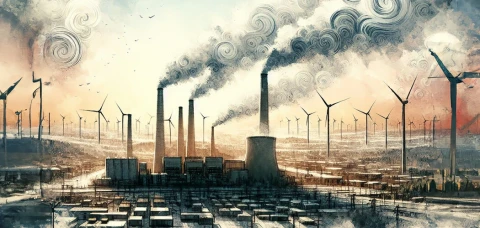
Electricity without extreme heat: A new material could help reduce greenhouse gas emissions
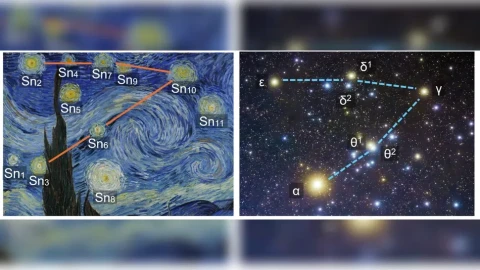
Not just a fantastic whirl of light and color: Van Gogh’s “The Starry Night” depicts the sky of July 22, 1889
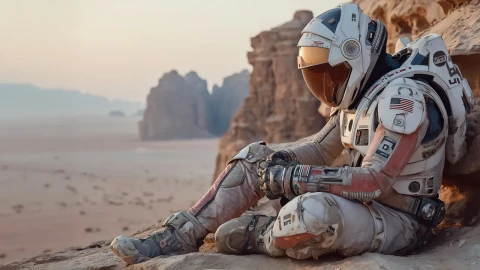
Astronauts’ hearts successfully passed a test important for a flight to Mars
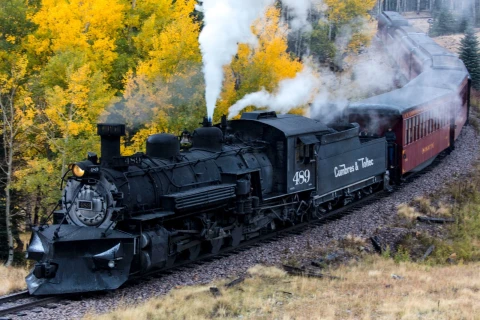
A solar storm delayed a train in England nearly 180 years ago. Scientists found an error in historical records
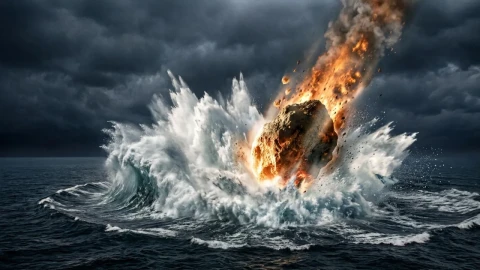
A 160-meter-wide asteroid triggered a tsunami more than 100 meters high in the North Sea
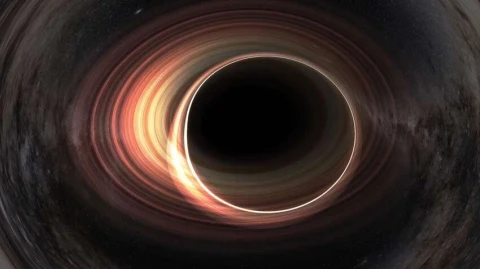
Physicists have created an acoustic “black hole” that absorbs sound with almost no echo
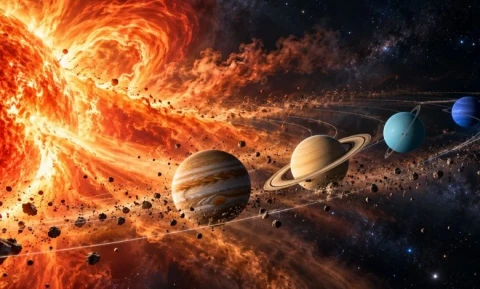
The Solar System may fall apart much sooner than scientists thought: When will the Sun become a white dwarf?
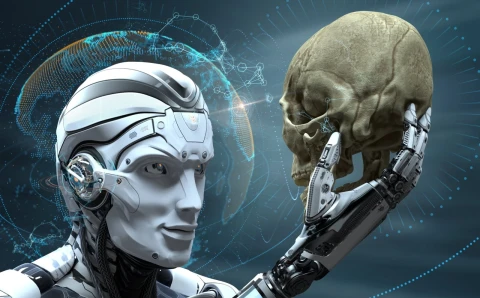
People consider AI less conscious than a human, even with identical behavior
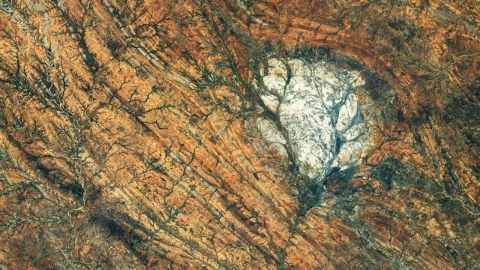
A rocky massif resembling the Moon’s mountains was found in Madagascar
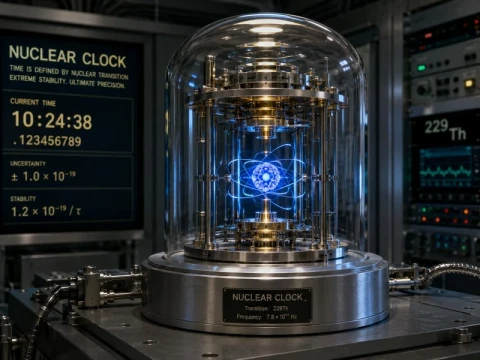
Scientists created a nuclear clock that could surpass the most accurate atomic ones
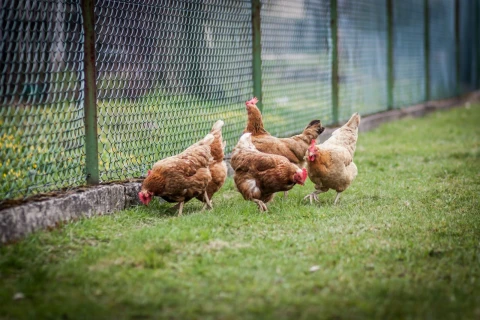
Chicken feathers turned into a material for supercapacitors that withstand thousands of charging cycles
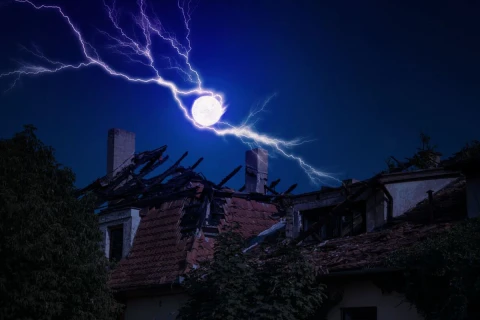
How does ball lightning form?
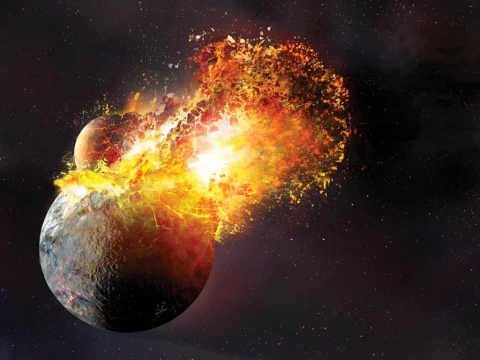
James Webb showed what happens when planets collide in young star systems
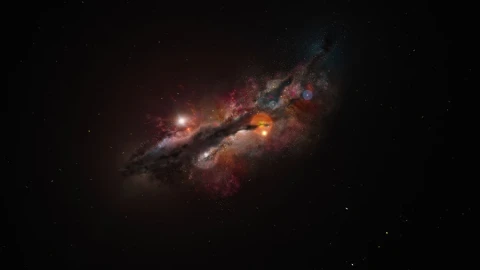
Physicists see for the first time how a quark creates a wave in the matter of the early Universe
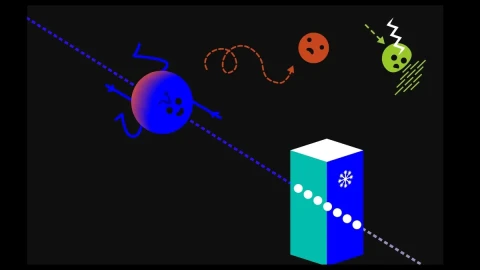
Why the 2026 Nobel Prize in Physics was awarded for the “hunt” for ghostly particles from space
arXiv Limits the Number of Papers per Author Due to a Surge of Low-Quality AI-Generated Works
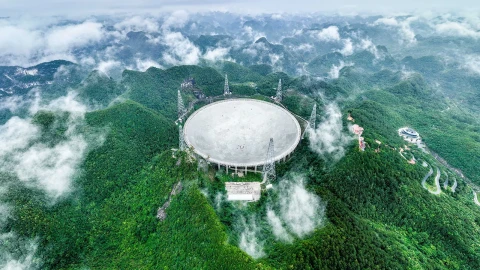
How the world's largest radio telescope works: Earth's 500-meter “ear”
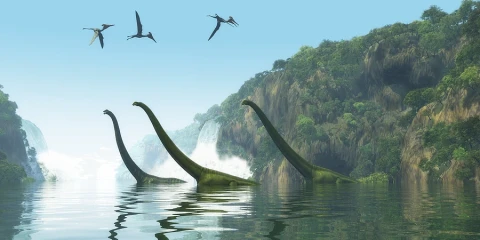
Animals may have appeared on Earth 200 million years earlier than previously thought
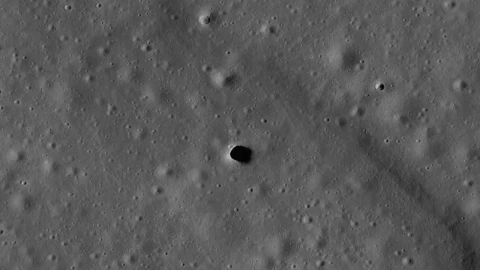
Possible entrance to a giant cave found on the Moon: NASA will check what lies beneath the surface
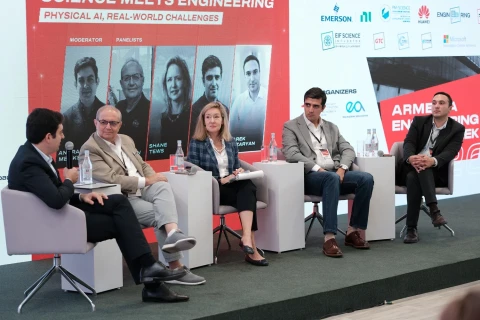
Physical AI could be an opportunity for Armenia: What the new wave of artificial intelligence could bring to the country
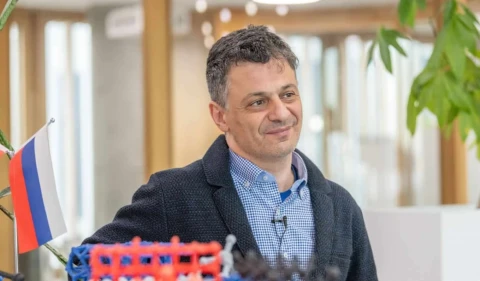
AI learns to predict what scientists don’t understand: How is machine learning changing science and medicine? Artem Oganov explains
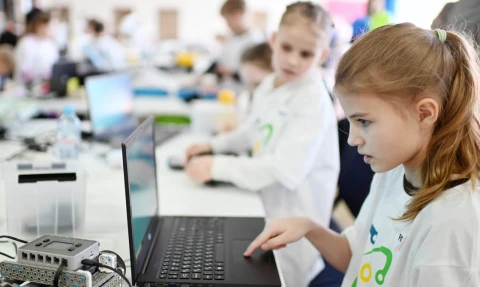
Gorbunova: The proper use of AI should be taught from childhood
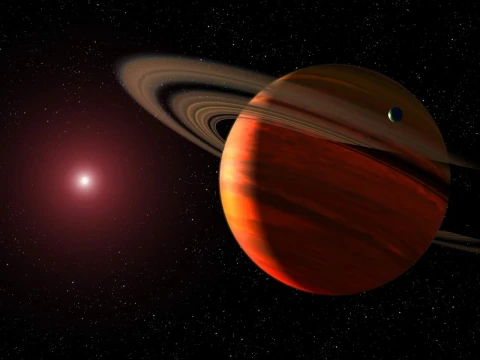
Too big and too cold: James Webb studied an unusual gas giant

Korenkov: AI is not yet capable of solving all scientific data processing tasks
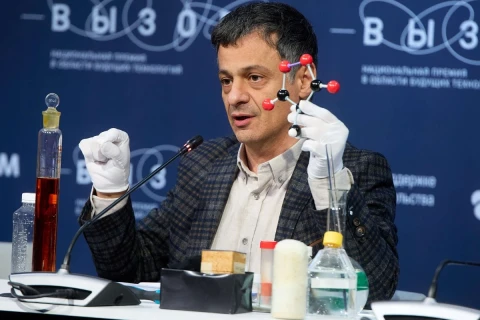
Artem Oganov: 80% of AI’s consequences will be good, 20% will be evil
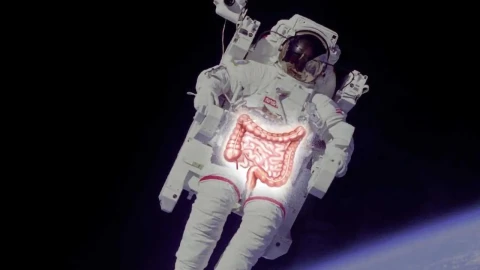
Scientists have found out why astronauts suffer from constipation in space
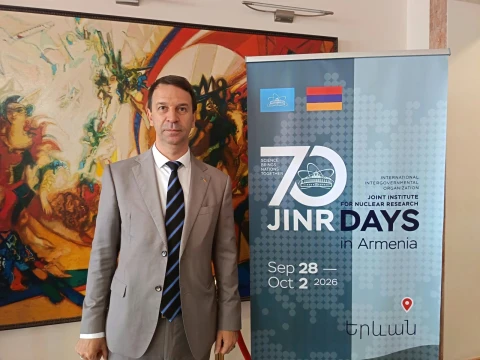
From cosmic rays to smartphones: Why Armenia needs fundamental physics and what it gains from Dubna? Interview with Grigory Trubnikov
Dubna and Armenia want to combine supercomputers into a unified scientific network: What could this mean for science?
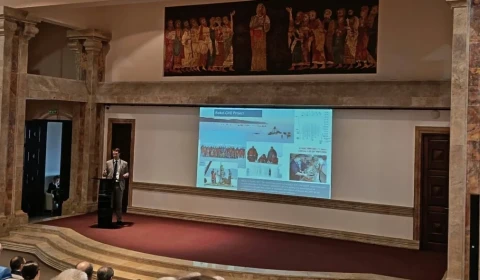
JINR wants to increase the number of Armenian researchers in Dubna and restore scientific mobility to its previous level
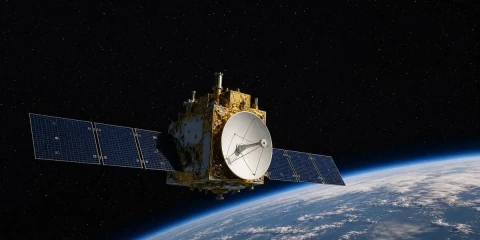
China claims first satellite-to-satellite refueling in high orbit

