




 make preferable
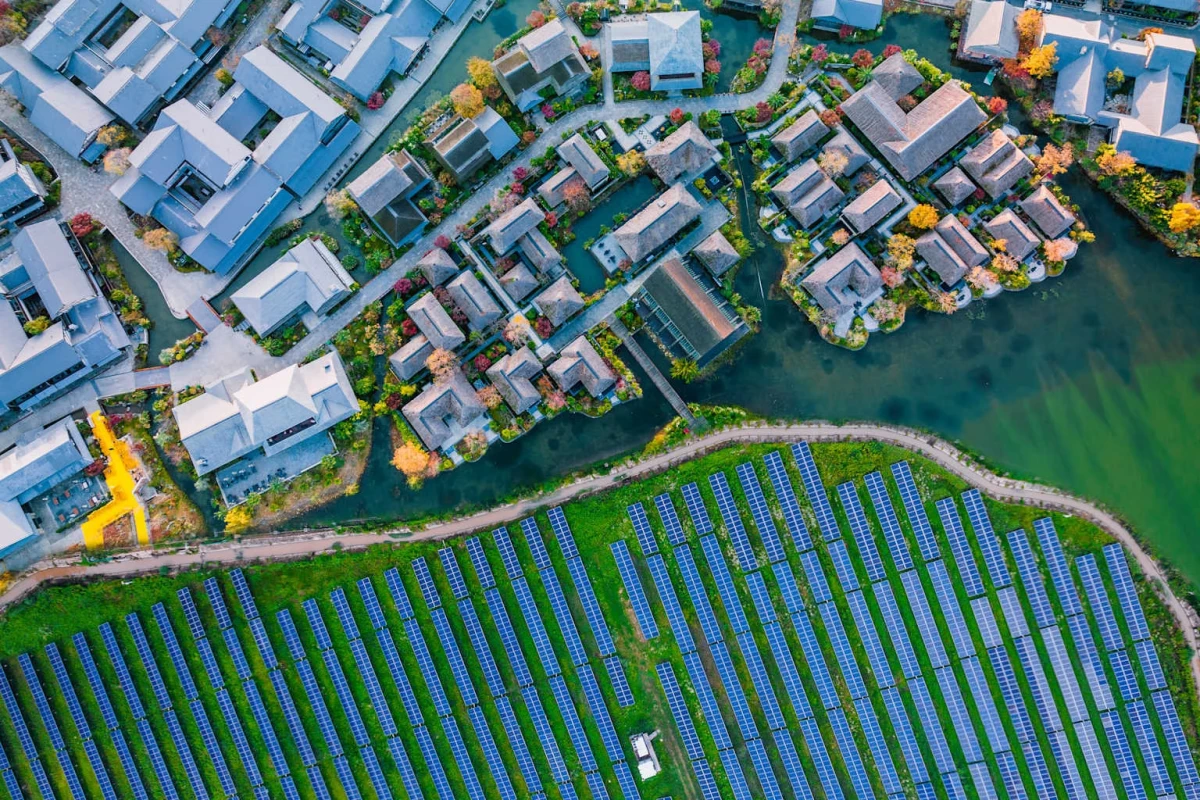
The expansion of renewable energy and the electrification of transport are helping countries reduce their vulnerability to oil supply disruptions and spikes in fossil fuel prices. However, the energy transition is creating a new challenge: key clean technology supply chains are concentrated in China. As a result, countries seeking to strengthen their energy security risk replacing one external dependency with another. This is the conclusion of a report by S&P Global, presented on November 12 at the COP31 climate summit in Antalya, Turkey.
The study, Adopting Clean Technologies: The Energy Resilience Dividend, was prepared by analysts from S&P Global Energy and S&P Global Ratings. It examines nine advanced economies and includes case studies of Europe and China. The authors assess how the adoption of clean technologies affects the resilience of national economies to energy shocks.
Less oil, lower vulnerability to energy shocks
According to S&P Global, the greater a country's dependence on imported oil, the more severe the economic consequences of supply disruptions. Specifically, two years after an oil supply shock, GDP losses in countries with higher import dependence are 0.25 percentage points greater. The analysts stress, however, that this is an observed correlation, not a universal estimate of the economic impact of adopting clean technologies.
The scale of the shift towards electric transport and renewable energy is already becoming apparent. According to S&P Global Energy estimates, electric vehicles on the world's roads will reduce oil demand by 1.9 million barrels per day in 2026 — nearly 2% of global consumption.
China exported almost 2.5 million electric vehicles in the first half of the year, more than twice as many as in the same period a year earlier. In the European Union, electricity generation from renewable sources, excluding hydropower, has increased by nearly 340 terawatt-hours since 2021. In China itself, the widespread adoption of electric vehicles has helped reduce the economy's vulnerability to this year's oil shock, the report notes.
However, as economies become more electrified, control over the production of equipment and components is emerging as a key issue. “As economies electrify, managing concentrated supply chains and new external dependencies will become increasingly important for resilience,” said Marion Amio, head of climate economics at S&P Global Ratings.
Europe's dilemma: Energy security and dependence on Chinese technology
The issue is particularly relevant for Europe, which is accelerating electrification while seeking to reduce its imports of fossil fuels. Turkey, the host of COP31, is seeking government support for a commitment to increase electricity's share of global energy consumption to 35% by 2035, up from approximately 20% today. In September, the European Union unveiled plans to raise electricity's share of final energy consumption to 46% by 2040. According to Brussels, achieving this target could reduce the bloc's annual fossil fuel import bill by €260 billion.
Yet much of the industrial capacity required for this transition is concentrated in China. According to the International Energy Agency, China accounts for around 75% of global electric vehicle production and more than 80% of battery cell manufacturing. In addition, China supplied 60% of the wind turbines imported by the European Union in 2025, Reuters columnist Ron Bousso noted.
This dependence on Chinese supplies is developing against the backdrop of trade tensions between Brussels and Beijing. The EU's trade deficit with China reached €359.9 billion last year, while the bloc raised tariffs on Chinese electric vehicles to as much as 45%.
Further pressure is coming from disruptions in energy markets. Shipping disruptions in the Strait of Hormuz amid the war in Iran have pushed energy prices higher in Europe. Against this backdrop, several countries, including the United Kingdom and Greece, have considered increasing domestic fossil fuel production.
This highlights a contradiction at the heart of Europe's energy transition: the faster countries replace oil and gas with electricity, the more important the technologies and equipment become - much of which is manufactured by their main industrial competitor, China. Reducing dependence on fossil fuel suppliers does not, in itself, guarantee energy independence.