make preferable
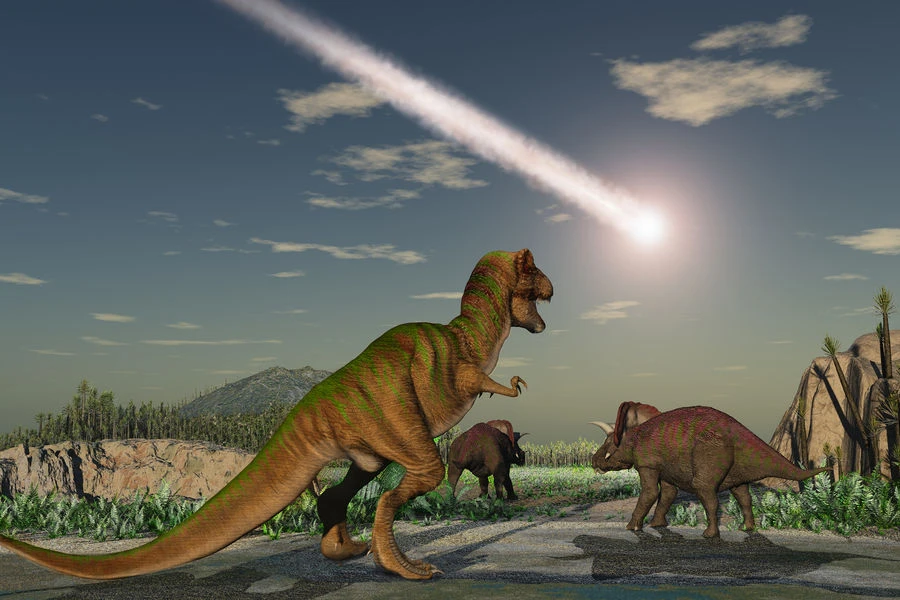
The global extinction that occurred around 66 million years ago following an asteroid impact may have created conditions for the rapid evolutionary diversification of ants. An international team of scientists found that mobile segments of DNA, known as “jumping genes,” may have played an important role in this process. They may have contributed to the development of genetic mechanisms that enable ants to recognize chemical signals and interact with one another.
The findings of the study, led by Lukas Schrader of the Institute for Evolution and Biodiversity at the University of Münster in Germany, were published in the journal Science Advances.
Today, ants are one of the most diverse groups of social insects. There are more than 15,000 species worldwide. The new study suggests that the activity of mobile genetic elements was one factor behind their evolutionary success.
How “jumping genes” influence evolution
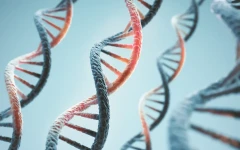
Transposons, or “jumping genes,” are segments of DNA that can move to different locations within the genome and make copies of themselves. Scientists previously viewed them primarily as genetic parasites: like viruses, they can multiply within the genome without providing any obvious benefit to the organism. In some cases, their activity can cause disruptions.
In recent years, however, researchers have increasingly focused on another aspect of this phenomenon. The movement of genetic elements can generate new genomic variants, providing raw material for evolutionary change. To determine what role this mechanism played in ant evolution, the scientists compared the genomes of representatives of different evolutionary lineages. They found that groups with more “jumping genes” in their genomes also tend to have more living species.
The timing proved particularly important: in several major ant lineages, periods of increased transposon activity occurred at the beginning of the Paleogene, a period that began around 66 million years ago. These bursts occurred shortly before the corresponding groups began to diversify rapidly. “The asteroid impact had dramatic consequences for the environment. We have now identified a genomic mechanism linking these ecological upheavals to the subsequent rapid diversification of ants: transposons,” Schrader explained.
Genetic changes may have enhanced ants’ ability to communicate
Another important finding was a link between transposon activity and the expansion of gene families involved in chemical sensing. The researchers paid particular attention to genes encoding odorant receptors. These proteins allow ants to detect odors and respond to chemical signals that play a key role in their social lives.
Ants use chemicals to navigate their surroundings, recognize members of their colony, and coordinate collective activities. The ability to perceive and interpret these signals is essential to the functioning of these insects’ complex social systems.
According to the researchers, the activity of “jumping genes” may have contributed to an increase in the number of genes associated with odorant receptors. This, in turn, may have expanded ants’ ability to detect and recognize chemical signals. However, the observed association does not in itself prove that transposons directly caused the development of more complex communication. The findings point to a possible genetic mechanism that requires further study.
Scientists studied the genomes of 163 ant species
For the study, the international team analyzed the genomes of 163 ant species representing 12 of the 16 living subfamilies. This allowed them to cover a substantial portion of the genetic diversity of existing groups. Using these data, the scientists reconstructed changes in transposon activity over the past 100 million years and compared them with the evolutionary history of ants.
The findings revealed a link between ancient bursts of mobile genetic element activity and subsequent increases in the diversity of individual evolutionary lineages. Similar patterns have previously been found in other animals, including primates and bats. This suggests that transposons may have played an important role in the evolution of different groups of organisms, although the specific mechanisms and consequences of their activity may vary.
Thus, genetic elements long regarded primarily as parasitic sequences may have been one factor behind ants’ evolutionary success. Global environmental changes following the extinction of the dinosaurs likely opened up new opportunities for ants to spread, while features of their genomes may have helped these insects take advantage of the resulting conditions.