make preferable
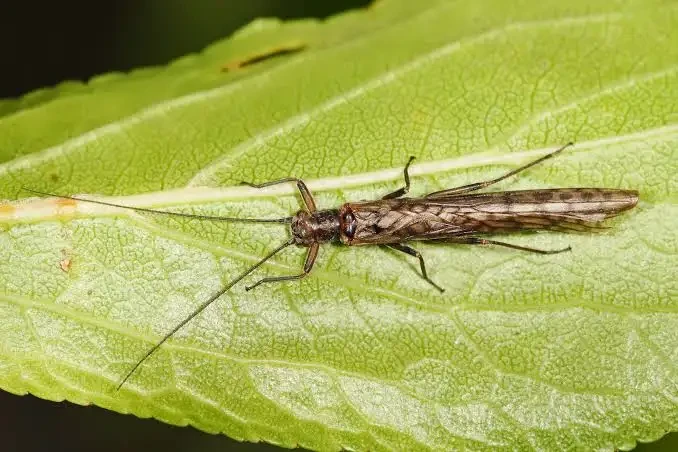
An international team of scientists has discovered a rare insect near the remnants of a glacier on Navarino Island in Chilean Patagonia. Researchers have not yet been able to match it to any species known to science. This suggests it could be a previously undescribed species, although further research is needed to confirm the discovery.
The findings were published in November 2026 in the scientific journal Ecology. The study focuses on the rapid retreat of glaciers in the southernmost part of Chile and the environmental changes against which the discovery was made.
An insect associated with freshwater ecosystems
The insect belongs to the stonefly order (Plecoptera) and the family Gripopterygidae. Members of this family occur in various regions of the Southern Hemisphere and are closely associated with freshwater ecosystems.
Scientists have not yet been able to determine whether the specimen belongs to any known species. Researchers are therefore considering the possibility that it is a stonefly species new to science.
It also remains unknown whether the insect lives exclusively on Navarino Island or is found in other parts of Patagonia as well. Its conservation status has not yet been established either.
A discovery amid glacial retreat
The insect was discovered near the remnants of a glacier on Navarino Island, part of the Tierra del Fuego archipelago. The region is experiencing glacial retreat, which is changing local environmental conditions.
Glaciers play an important role in sustaining surrounding ecosystems: meltwater feeds nearby bodies of water and creates specific habitat conditions for various organisms. As the ice disappears, the natural environments associated with it also change, potentially affecting the distribution and survival of local species.
The study, titled “Rapid ice loss and a rare stonefly at the last glacier remnants in southernmost Chile,” was led by Javier Rendoll-Cárcamo. The international research team included specialists from the University of Magallanes, the University of Barcelona and the British Antarctic Survey.