




 make preferable
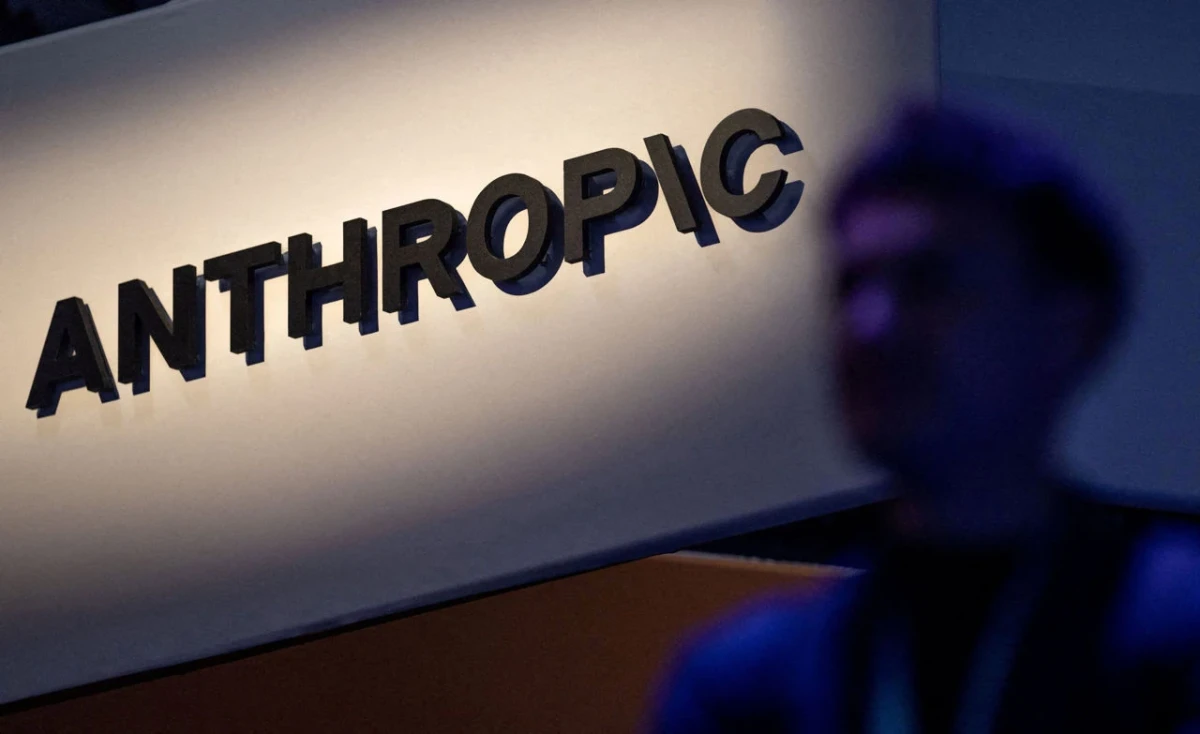
Anthropic shares continue to slide following the company's record-breaking stock market debut. On November 24, the stock closed at $81.91 — down 6.5% from the previous close and below its IPO price of $83. It marked a disappointing start to public trading for the company, its underwriters, and the broader AI market.
What went wrong with the offering
According to The Wall Street Journal, investors have already begun trading blame over Anthropic's rocky debut. One reason cited for the decline is an excessively high opening price on the first day of trading. Critics argue that the underwriting banks exercised the option to sell additional shares — known as the greenshoe — too early, leaving themselves unable to support the stock when it began to fall.
Even before the IPO, some potential buyers had pushed for a lower price range than expected. This pointed to investor doubts about the company's valuation before trading even began.
However, the problems may extend beyond how the offering was handled. Broader concerns also persist about whether the lofty valuations of artificial intelligence companies are justified.
Pressure across the AI sector
Questions about the safety of new models may have been another factor. According to Axios, some employees at Anthropic and OpenAI believe their unreleased systems are becoming so powerful that there are growing doubts about whether they can be safely released to the public.
Investor sentiment is also being affected by developments surrounding Nvidia and its CEO, Jensen Huang. Nvidia remains a key infrastructure supplier to the AI industry, so any questions surrounding the company influence perceptions of the entire sector.
Still, the decline in Anthropic shares cannot be attributed to a single cause: the offering price, investor expectations, concerns about the company's valuation, and general jitters surrounding the AI market may all be weighing on the stock at the same time.
Not the first disappointing debut
IPO history offers examples of companies whose shares fell below their offering price shortly after going public before later recovering. Tesla rose 41% on its first day of trading in 2010, but fell below its IPO price just five trading sessions later. A year later, its shares were up 67%.
Facebook, now Meta, also traded below its offering price shortly after its 2012 IPO. Investors who bought shares at the outset had to wait about 15 months to break even.
Another recent example is SpaceX: its shares initially surged, but fell below the IPO price about a month later and remained below it at the time of Axios's report.
Why this matters for Anthropic
Before the offering, investors had been particularly hopeful that Anthropic would avoid such volatility. Yet the company, which Axios calls the first pure-play public bet on AI, fell below its IPO price after just a few days of trading.
This alone does not determine the stock's future: past examples show that a disappointing start does not necessarily mean long-term failure. But for now, the decline is raising further questions about how well the lofty valuations of AI companies align with market expectations and whether those companies can live up to them amid growing technological and regulatory risks.