make preferable
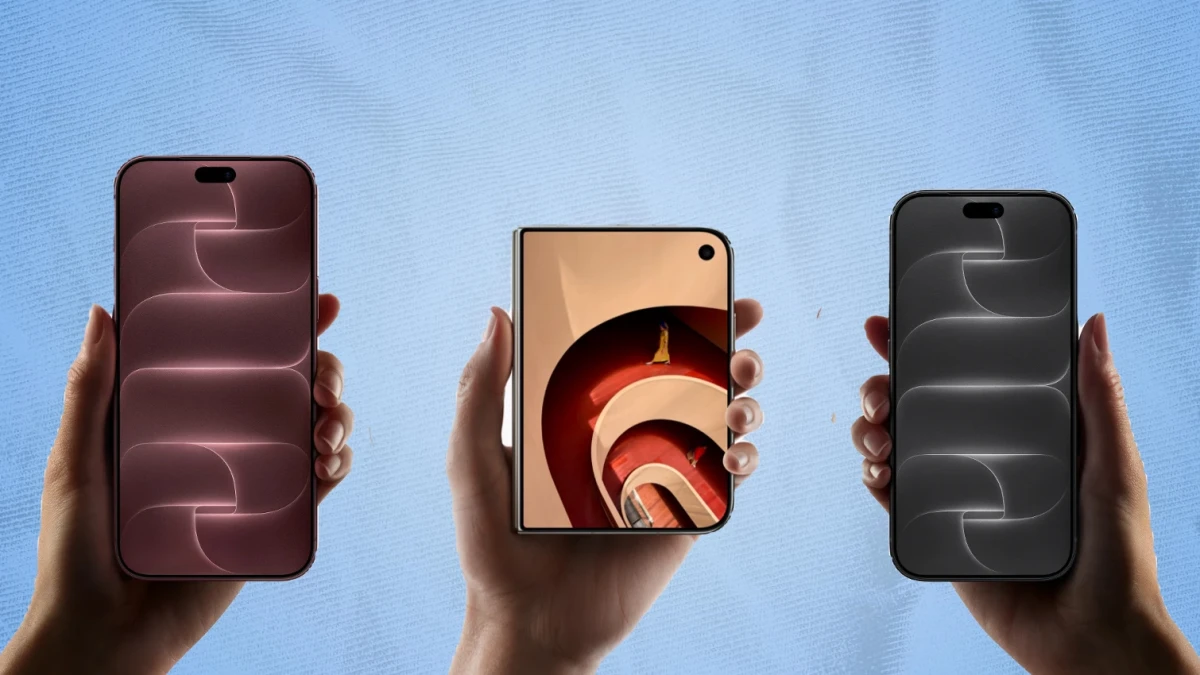
Apple's three unconventional models have different strengths: the iPhone 18 Pro offers the most versatile camera setup and long battery life, the iPhone Air focuses on thinness and lightness, and the foldable iPhone Duo transforms into a compact tablet. In a TechRadar review, the author compared the devices and explained what is worth paying for—and which compromises you will have to accept.
iPhone 18 Pro—the most versatile
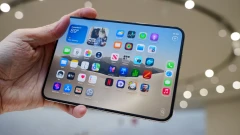
According to TechRadar, the iPhone 18 Pro is the most balanced of the three smartphones. It has three 48MP rear cameras: a wide-angle, an ultrawide and a telephoto with 4x optical zoom. The Air has only one rear camera, while the Duo offers a main camera and an ultrawide.
The Pro also stands out for its battery life: the review reports almost two days of use, compared with roughly one day for the Air and a day and a half for the Duo. Other advantages include Face ID, stereo speakers and faster wireless charging.
However, the model does not offer a radically new design: it looks similar to its predecessor. In the author's view, it is more a continuation of a proven formula than an attempt to surprise. That versatility comes at a price: the Pro is more expensive than the Air, heavier and thicker, and its screen is smaller than the Air's unless you opt for the Pro Max.
iPhone Air—thin and light, but with limitations
The iPhone Air's main selling point is its 5.6mm-thick body and 165g weight. The TechRadar author, who has used the smartphone for almost a year, notes that it feels exceptionally light and comfortable in the hand and pocket. Meanwhile, the A19 Pro chip remains very powerful, even though it trails the A20 Pro in the other two models.
The compromises are most apparent in the cameras and battery life. The Air has only one rear lens, and the author estimates that its battery lasts about a day. The device also falls short of the Pro and Duo in sound quality: it has a single speaker rather than stereo speakers, and wireless charging is slightly slower.
With a starting price of $1,099, the Air is far from cheap, but TechRadar notes that it can often be found at a substantial discount. According to rumors, the next generation could arrive in March or April 2027.
iPhone Duo—a foldable screen instead of a conventional smartphone
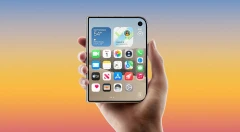
The iPhone Duo is the most unusual and expensive model in the comparison. When folded, it has a 5.4-inch outer screen; when unfolded, it offers a 7.6-inch flexible display. This format lets you use the smartphone as a small workspace: the Duo supports a stylus and multitasking.
The author particularly praises the inner screen's nano-matte coating, but notes that a foldable device takes some getting used to. He finds the outer display cramped, and app developers are still adapting their software for both screens.
The Duo's main drawback is the lack of full-fledged Face ID. In some situations, including use in the dark, authorizing payments and adding passwords, you have to rely on Touch ID. In addition, the foldable screen has a visible crease, and the smartphone itself is heavier and thicker than the other two models. It has fewer cameras than the Pro, and its front-facing camera is less capable.
Which should you choose?
Model | Who it is for |
iPhone 18 Pro | Those who want the best camera capabilities, long battery life and a familiar smartphone form factor |
iPhone Air | Those who value minimal weight and a thin body and are willing to accept a single camera and shorter battery life |
iPhone Duo | Those who prioritize a large foldable screen, stylus support and multitasking, and are not put off by the high price or the form factor's compromises |
TechRadar still considers the standard iPhone 17 the best-value choice for most buyers: it offers a balanced set of features without requiring you to pay extra for an unusual form factor. But if you specifically want an iPhone that stands out, the choice depends on your priority—the Pro's versatility, the Air's lightness or the Duo's large screen.
All specifications and assessments provided refer to the models in TechRadar's review; prices are listed in US dollars at the suggested retail price.