make preferable
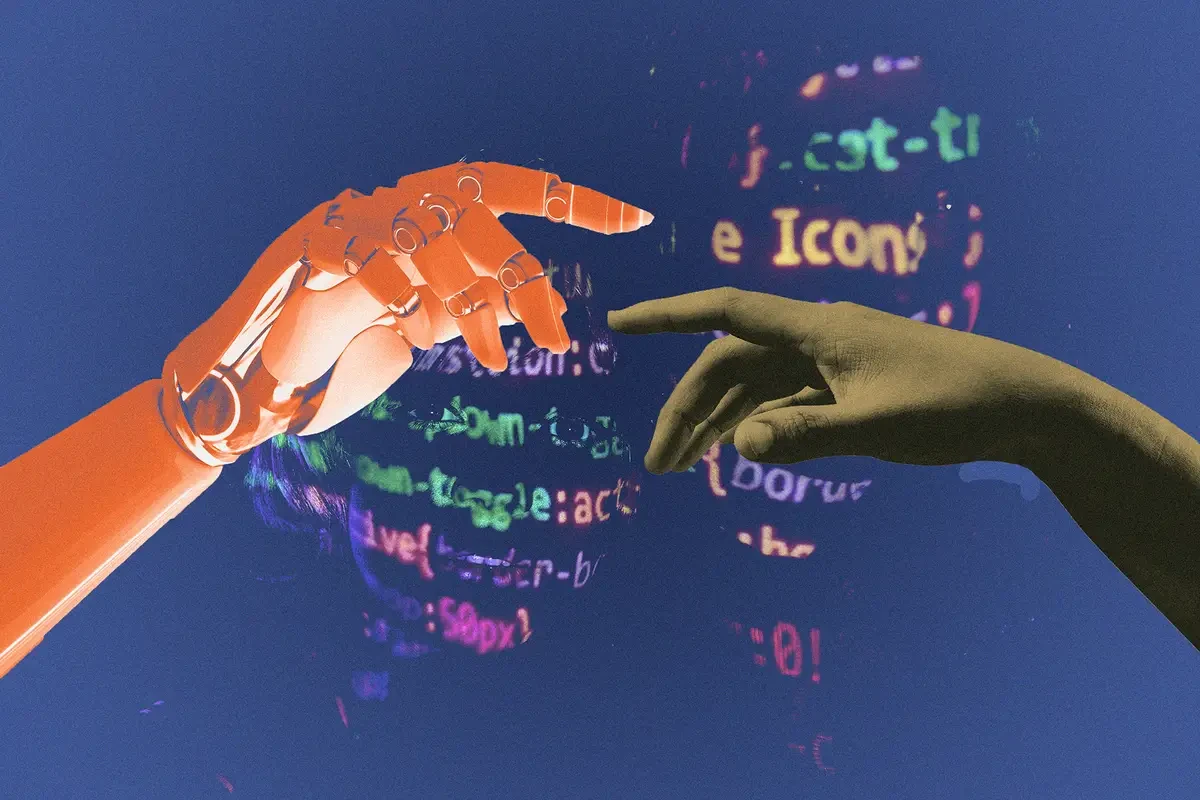
People may prefer advice from human experts while being just as receptive to recommendations from algorithms. That is the conclusion reached by researchers at City St George’s, University of London: stated attitudes toward artificial intelligence do not match the extent to which its advice changes decisions.
Preferences did not match behavior
More than 1,250 people took part in three experiments. They were given financial investment tasks in which they could either make or lose money.
First, participants indicated whether they would prefer to receive advice from a person or an algorithm. They were then randomly assigned an adviser: either a human expert or an AI. After receiving a recommendation, the volunteers could change their initial decision. The researchers compared these two choices to assess how strongly the advice influenced the outcome.
Across all three studies, participants more often expressed a preference for human advisers. In practice, however, they adjusted their decisions to a comparable extent in response to AI advice.
Distrust did not prevent people from following recommendations
In one experiment, the researchers found a link between attitudes toward AI and stated preferences: the less a person trusted algorithms, the more strongly they preferred consulting a human.
However, when participants were assigned an AI adviser, their level of trust no longer determined how much they would follow its recommendation. In other words, a negative attitude toward the technology did not necessarily prevent it from influencing a decision.
The authors suggest understanding this gap through an analogy with research on learning. A person may believe they learn better from videos, while tests show that text is more effective in a particular situation. A stated preference for a format and the actual benefit gained from it are not the same thing.
Attitudes toward AI and its influence are different things
The study helps explain why wariness of artificial intelligence can coexist with growing use of AI tools. Different factors may shape whether someone likes the technology and how much they learn from it or follow its advice.
At the same time, the findings do not mean that people always trust AI or that its recommendations inevitably change decisions. The experiments support a narrower conclusion: a stated dislike of algorithms does not, on its own, guarantee resistance to their influence.
The authors warn that this is important to consider when using AI in situations where recommendations may be wrong or biased, or may serve someone else’s interests. A skeptical attitude toward the technology alone is not enough—people and organizations need ways to check advice rather than accept it automatically.
The study by Constanza Musso and Andreas Kappes was published in Personality and Social Psychology Bulletin.