make preferable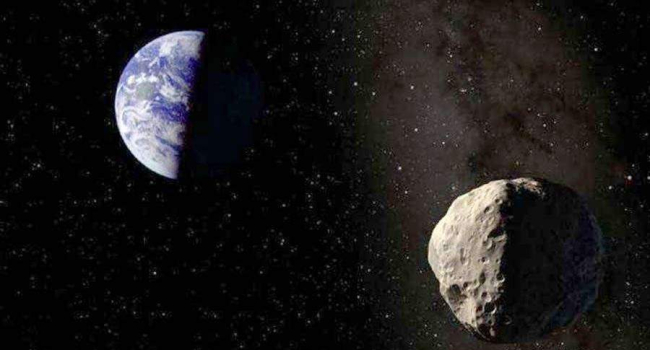
Researchers at Volgograd State University (VolSU) are working on an innovative method for creating three-dimensional models of asteroids. The new technology will make it possible to determine the size, shape, and surface relief of these celestial bodies more accurately, which is critical for identifying potentially hazardous objects. This was reported by TASS.
The essence of the new approach
The method is based on the use of ultra-short pulsed radio signals with a spatial length of fractions of a meter. Such signals significantly increase resolution compared to traditional radar techniques.
Differences in how the signal is reflected from various elements of an asteroid’s surface relief make it possible to reconstruct information about its structure along the line of observation. By combining this data with classical methods of building two-dimensional images, scientists can obtain full 3D models and precise geometric characteristics.
At present, there are no comparable technologies in the world capable of producing volumetric images of space objects at such large distances.
Goals and prospects of the project
The research is supported by the Russian Science Foundation. Within the project, scientists are assessing the limits of modern radar astronomy and the possibilities for increasing the probing range without placing equipment into orbit.
The development also includes proposals for creating specialized ground-based equipment for such observations.
In the long term, the technology will allow remote study of millions of asteroids, which is far cheaper than sending individual space missions to each object. More accurate data on size, shape, and trajectories will help better assess the threat of collisions with Earth.
Why this matters
Potentially hazardous asteroids are one of the real threats to the planet. Accurate 3D models improve calculations of orbits and physical properties, increasing the effectiveness of planetary defense systems. The Volgograd project could become Russia’s contribution to global efforts to monitor near-Earth space.
In brief
VolSU scientists are developing a unique radar method using ultra-short pulses to create 3D images of asteroids. The technology will improve resolution, allow more precise determination of shape and surface relief, and in the future make it possible to study millions of objects from Earth without costly space missions. The project is supported by the Russian Science Foundation and is aimed at improving the detection of dangerous asteroids. This is an important step in planetary astronomy and the protection of Earth.