make preferable
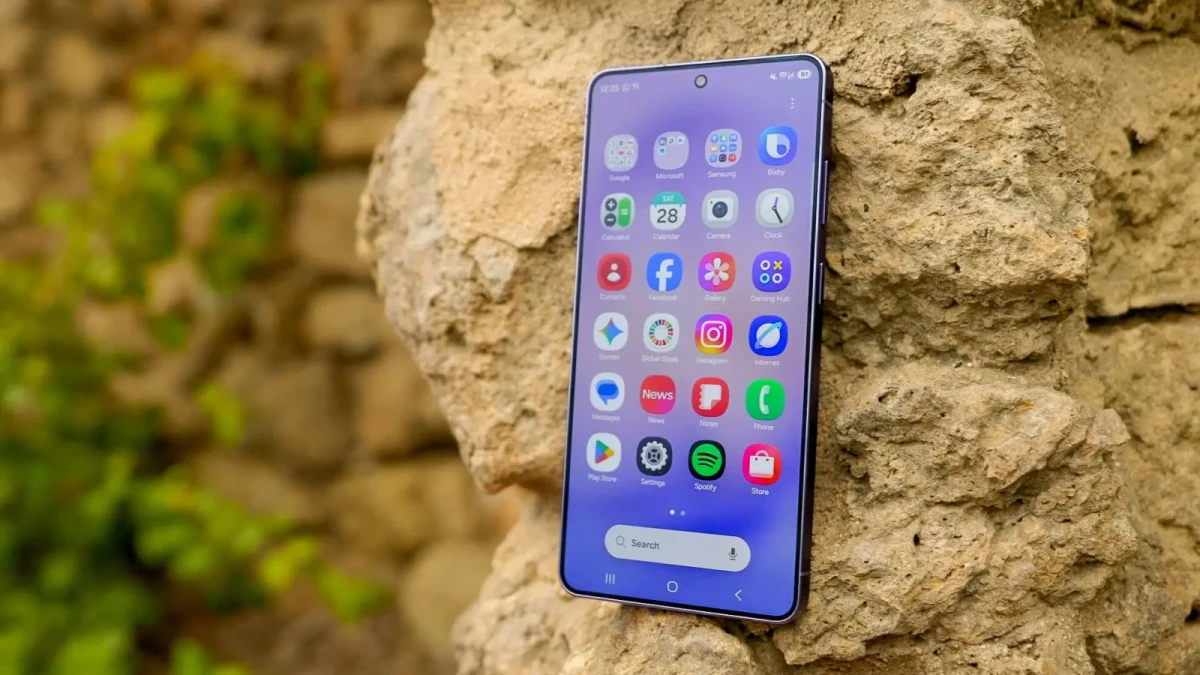
If smartphones with 6.7-inch screens seem too big, there are still options. Manufacturers continue to release models with 6.3–6.5-inch displays, while foldable devices offer a large screen without the need to carry a bulky handset around all the time. TechRadar's selection includes the iPhone 17 Pro, Google Pixel 10 Pro, Pixel 10a, Samsung Galaxy S26, and Galaxy Z Fold8.
It is important to remember that screen size is not the only measure of compactness. The handset's width, weight, and thickness also affect how comfortable it is to use. And a foldable smartphone like the Galaxy Z Fold8 is more a way to fit a large display into a folding body than a true replacement for a small conventional phone.
iPhone 17 Pro — Apple's compact flagship
Screen: 6.3 inches. Processor: A19 Pro. Cameras: three 48 MP modules.
The iPhone 17 Pro features a Super Retina XDR OLED display with an adaptive refresh rate of up to 120 Hz and an A19 Pro processor. The main, ultrawide, and telephoto cameras each have a resolution of 48 MP. The telephoto lens provides 4× optical zoom and also allows you to capture photos with quality equivalent to 8× zoom. The smartphone supports ProRAW photography and is designed for those who value advanced camera capabilities as well as the device's size.
The body measures 71.9 mm wide and weighs 204 g. It is a fairly compact flagship by modern standards, though it can hardly be called lightweight.
Google Pixel 10 Pro — for mobile photography enthusiasts
Screen: 6.3 inches. Processor: Tensor G5. Telephoto lens: 5× optical zoom.
The Pixel 10 Pro features a 6.3-inch LTPO OLED display with a refresh rate of up to 120 Hz and a Google Tensor G5 processor. It has 16 GB of RAM and a triple rear camera system: a 50 MP main camera, a 48 MP ultrawide camera, and a 48 MP telephoto camera with 5× optical zoom. The cameras support macro photography, while Google's software tools help edit and enhance photos.
The body measures 72 mm wide and weighs 207 g. This makes the Pixel 10 Pro almost identical in width to the iPhone 17 Pro, but slightly heavier. It is an option for those who want a relatively small Android flagship with a versatile camera and AI-powered features.
Google Pixel 10a — a more affordable alternative
Screen: 6.3 inches. Processor: Tensor G4. Battery: 5,100 mAh.
Those who do not need the capabilities of an expensive flagship should consider the Pixel 10a. It has a 6.3-inch pOLED display with a refresh rate of up to 120 Hz, a Tensor G4 processor, and 8 GB of RAM. The 48 MP main camera is complemented by a 13 MP ultrawide camera, but there is no dedicated telephoto lens.
One of the model's strengths is its battery, which has a typical capacity of 5,100 mAh. Google claims more than 30 hours of battery life with regular use, though actual battery life depends on usage. The body is wider and thicker than that of the Pixel 10 Pro, at 73 mm and 9 mm respectively.
The Pixel 10a is a sensible choice for those who want a moderately sized screen, a good camera, and long battery life without paying extra for flagship features.
Samsung Galaxy Z Fold8 — a large screen in a folding body
Outer screen: 5.5 inches. Inner screen: 7.6 inches.
The Galaxy Z Fold8 takes a different approach to size. When folded, it has a 5.5-inch outer display, while unfolding it reveals the main 7.6-inch panel with a refresh rate of up to 120 Hz. This format is convenient for reading, using multiple apps, and watching videos on a large screen.
The smartphone weighs 201 g, and its 4,800 mAh battery delivers more than 26 hours of video playback, according to Samsung. However, when folded, the body measures 81.9 mm wide and 9.7 mm thick, making it noticeably wider than the conventional models in this selection.
The Fold8 should therefore be seen not as a small phone, but as a compromise for those who want to combine a relatively compact outer screen with a large workspace.
Samsung Galaxy S26 — a small Android flagship
Screen: 6.3 inches. Refresh rate: up to 120 Hz. Three rear cameras.
The base Galaxy S26 features a 6.3-inch Dynamic AMOLED 2X display with an adaptive refresh rate ranging from 1 to 120 Hz. The camera system includes a 50 MP main camera, a 12 MP ultrawide camera, and a 10 MP telephoto camera with 3× optical zoom. The smartphone's capabilities include Galaxy AI features designed to help with text, images, and everyday tasks.
The body measures 71.7 mm wide and weighs 167 g. These specifications make the Galaxy S26 one of the most comfortable options in this selection for those who do not want a heavy phone. Depending on the market, the smartphone may come with different processors, so it is worth checking the specifications of the particular version before buying.
Which model to choose
If you specifically want a small phone rather than simply a device with a relatively moderate screen size, you should first look at the handset's width and weight. The Galaxy S26 combines relatively low weight with a full camera system, the iPhone 17 Pro offers powerful hardware and three advanced camera modules, and the Pixel 10 Pro focuses on mobile photography and Google's tools.
The Pixel 10a will suit those looking to save money, while the Galaxy Z Fold8 is for users who need a large screen but do not want to carry a conventional large phablet around all the time.
That said, none of these models qualifies as a truly miniature smartphone: screens smaller than 6 inches are rare in today's market. But if you aim for a display of up to 6.5 inches and take the handset's actual dimensions into account, there are still options.