make preferable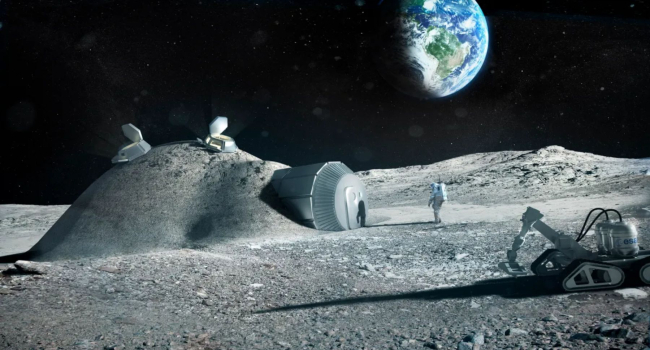
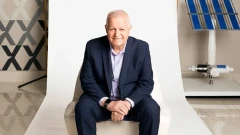
Hero of Russia and test cosmonaut with five flights and 672 days in space Fyodor Yurichkhin sharply criticized the recent statement by acting NASA Administrator Sean Duffy about establishing a full lunar village with permanent human presence by 2035. In an interview with RIA Novosti, he called the plans absolutely unrealistic and explained why even ten years from now we will be far from such a scenario.
The main problem is delivering and landing heavy modules
“A habitation module is twelve to twenty tons, like a segment of the ISS. And the heaviest thing we have ever soft-landed on the Moon is a rover weighing less than one ton,” Yurichkhin explained.
Today, neither the United States nor any other country has a lander capable of delivering and softly lowering a payload of even five to seven tons. Elon Musk’s Starship exists only as prototypes for now, and the Artemis program has already postponed its first crewed landing from 2025 to September 2026, with further delays likely.
“You can say anything you want, but once you start calculating kilograms, tons, and delta v, everything immediately falls into place,” the cosmonaut added.
Radiation protection: “Who is going to stand there with shovels”
The second unresolved issue is protection from cosmic rays and micrometeorites. On the lunar surface, radiation levels are two hundred to one thousand times higher than on Earth, and solar flares can kill an unprotected human within hours.
NASA is considering covering modules with two to three meters of regolith. Yurichkhin comments ironically: “I always ask: who is going to stand there with shovels. There are no moon dwellers.”
Bulldozer robots or construction 3D printers for building protective domes exist only on paper or as lab prototypes.
The only realistic path is underground tunnels in craters
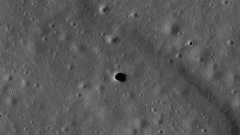
According to Yurichkhin, the future of lunar settlements lies not on the surface but beneath it. The best locations are lava tubes and tunnels in the walls of polar craters such as Shackleton or Cabeus.
“There is already a natural rock roof tens or hundreds of meters thick. That is built in protection from radiation and micrometeorites. All that remains is to deploy inflatable or rigid modules inside and seal the entrance,” the cosmonaut explains.
Such tubes are currently being actively mapped by India’s Chandrayaan-3, China’s Chang’e 7, and the upcoming Russian Luna 27 mission.
A realistic scenario for 2035
By the mid 2030s, Yurichkhin estimates we will see at most:
- several short Artemis expeditions lasting seven to thirty days,
- one or two small pressurized modules weighing three to five tons,
- robotic drilling units for exploring lava tubes.
A permanent settlement for eight to twelve people with a closed loop life support system will not appear before the 2040 to 2045 period, and only with international cooperation.
In short
Fyodor Yurichkhin called NASA’s plans to build a lunar village by 2035 absolutely unrealistic. There are no delivery systems for fifteen to twenty ton modules and no practical technology for radiation protection on the surface. The only viable approach is building underground settlements in natural lava tubes. Realistically, by 2035 we will have only short expeditions and the first small stationary modules. A true permanent lunar base is more a matter of the 2040s. As the cosmonaut concluded, you can say anything, but space respects kilograms and delta v.