




 make preferable
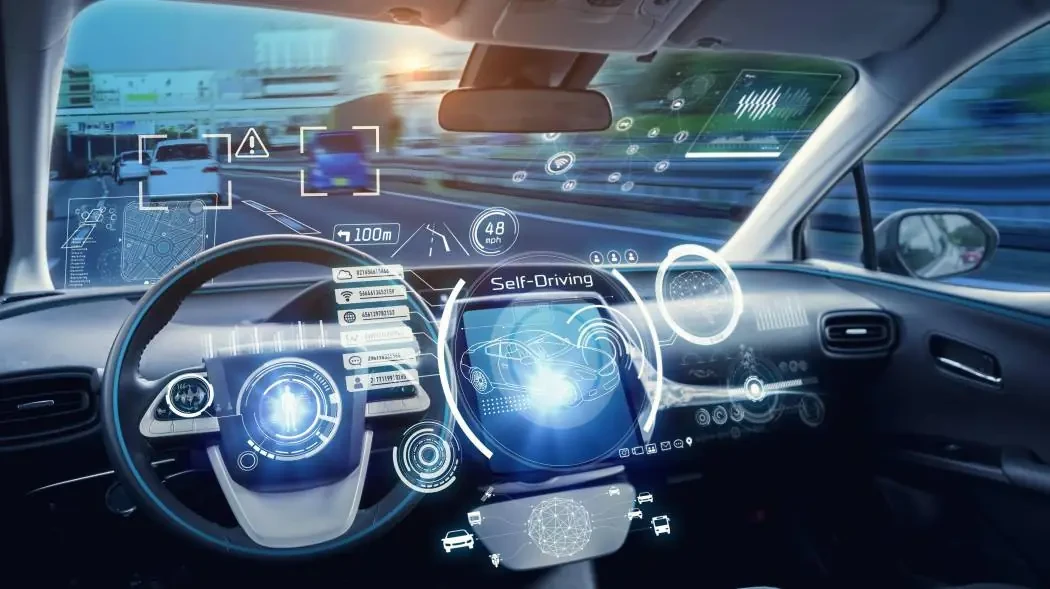
Mobileye, a key supplier of driver assistance systems, is no longer competing only with companies offering similar solutions. As automated driving advances, automakers need more powerful processors and sophisticated software — opening the market to Nvidia, Qualcomm and other players.
From driver assistance to autonomous navigation
The technologies that helped Mobileye establish a strong position are relatively simple: lane keeping and adaptive cruise control. They are already used in roughly one in five cars worldwide, according to the company's own estimates.
But systems capable of navigating city streets on their own must handle much more complex tasks: making turns, recognizing traffic lights and maneuvering in tight spaces. This requires additional sensors and computing power — an area where Nvidia and Qualcomm may have an edge.
Even automakers that do not yet offer such features are willing to pay for higher-performance processors. They expect to be able to add new capabilities later without replacing the vehicle's underlying hardware.
According to Mobility Global analyst Jeremy Carlson, these changing technical requirements are reshaping the industry's competitive landscape.
Mobileye bets on the mass market
The company is also developing its own robotaxi projects, aiming to begin a limited commercial rollout in 2027. However, Mobileye sees its nearest-term growth opportunity in more affordable hands-free driving systems — primarily for highways.
These features are more complex than basic driver assistance but simpler than full urban navigation. Mobileye expects its experience in designing low-cost chips and its longstanding relationships with automakers to help bring them to the mass market.
The company expects to supply driver assistance technology for around 40 million new vehicles this year — nearly half of global production. According to Mobility Global data cited by Mobileye, demand for hands-free highway driving systems will grow by about 20% annually through 2030.
The economics of these solutions also appear more attractive: Mobileye says they generate roughly twice as much revenue per vehicle as basic driver assistance systems, with comparable gross margins.
Automakers are not choosing just one technology
Automakers are pursuing several approaches at once, seeking to balance technical ambitions with the economics of mass production.
Stellantis, for example, is working with Wayve and Qualcomm on a more sophisticated point-to-point driving system while continuing to expand high-volume programs with Mobileye well into the 2030s.
“It's a question of what they need and what they want,” says Nimrod Nehushtan, Mobileye's executive vice president of corporate strategy.
Mobileye intends to launch its own robotaxi service by the end of 2027. At the same time, the company is working with partners, including Volkswagen's MOIA unit, to deploy its autonomous technology in other operators' fleets.
Higher shipments do not yet mean higher revenue
The latest results show that scale alone does not guarantee faster growth. In the third quarter, Mobileye's chip shipments rose by 3%, while revenue fell by 2%.
Major next-generation driver assistance programs are not expected to reach significant volumes until 2028. Until then, the company will need to maintain its position in a market where automakers are experimenting with technologies that could eventually redefine industry standards.
Mobileye has an important advantage: scale and longstanding ties with automotive companies. But the solutions automakers are testing today could become mainstream tomorrow, making the basic driver assistance supplier's current edge less secure.