




 make preferable
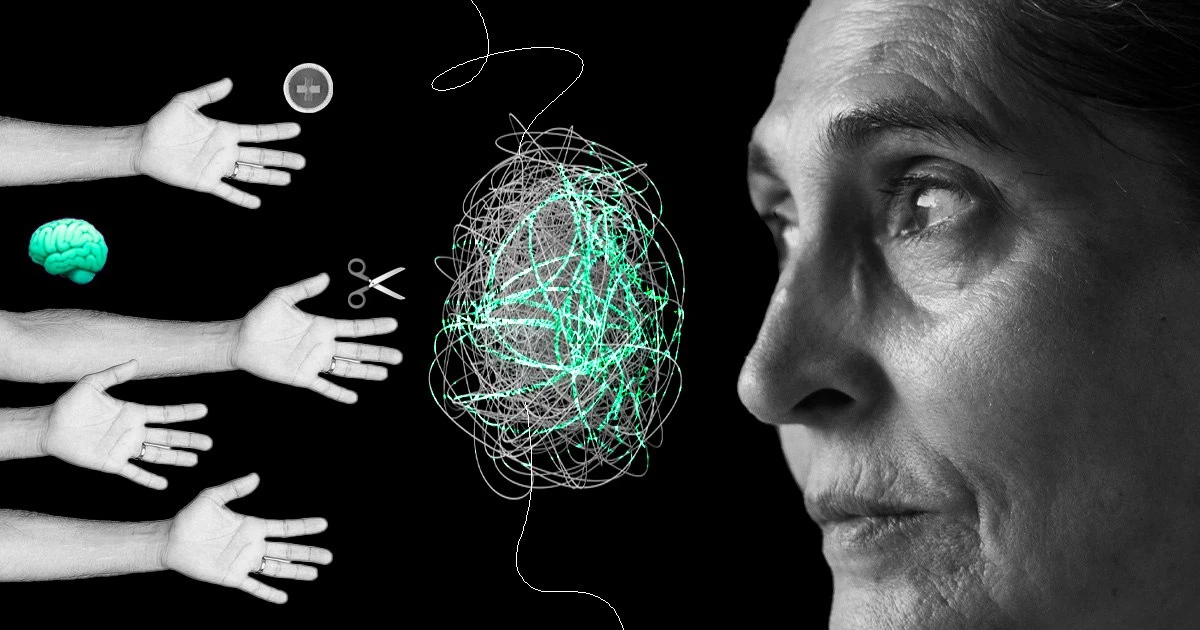
Fundraising platform GoFundMe has introduced an AI assistant that helps users create campaigns—from choosing a title to deciding how much money they need. The tool has already been used more than 100 million times, and the additional donations it generates could exceed $250 million in a year. The developers' central idea was not to hand all the work over to AI, but to break a difficult task into small, manageable steps.
As GoFundMe CEO Tim Cadogan told Axios in an interview, psychological barriers often prevent people from seeking financial help. Setting up a fundraiser is technically straightforward, but sharing a personal tragedy, asking strangers for money, and deciding how much to request can be much harder.
Why people find it hard to ask for help
GoFundMe helps people raise money for medical treatment, recovery from crises, and other personal needs. According to Cadogan, the platform is built on a simple idea: helping people help one another. But for that to happen, someone first has to find the courage to ask for help.
The company spent several years studying user behavior and identifying the stages at which people most often abandon the campaign creation process. Choosing a title turned out to be one of those sticking points.
Someone who has just written a story about a serious illness or a cancer diagnosis may struggle to condense it into a short phrase. To make this easier, GoFundMe developed an AI tool that analyzes the campaign text, compares it with tens of millions of previous fundraisers, and suggests three possible titles.
More than 80% of users accept the suggestions or edit them. According to Cadogan, campaigns with these titles perform better.
AI helps determine how much money to ask for
Another common problem was choosing a fundraising goal. Users are not always sure what amount to enter: $2,000, $5,000, or $10,000. A goal that is too low may not cover expenses, while one that is too high may seem unjustified.
GoFundMe introduced a feature called Smart Goals, which suggests a target amount based on historical fundraising data. This means users do not have to make the decision entirely on their own.
These tools became part of a broader AI assistant that guides users through creating a campaign. Rather than offering a single, one-size-fits-all solution, the company provides help at specific points where people most often encounter difficulties.
GoFundMe initially expected this approach to generate an additional $125 million in donations over a year. Now, Cadogan estimates that the result could be more than twice that—over $250 million.
Why the company needed nine months of experimentation
According to GoFundMe's CEO, developing the assistant took nearly a year of work. The company did not simply add AI to its existing service; it studied the practical difficulties users faced, their expectations, and their emotional barriers.
Cadogan believes this is often what determines whether AI implementation succeeds. It is not enough to integrate a model into a product and expect it to improve the user experience automatically. Companies need to understand exactly which tasks cause difficulties and offer help at the right moment.
This principle applies beyond fundraising services. Breaking a complex process into individual stages makes it possible to use AI where it is genuinely useful, rather than trying to automate all the work at once.
How the CEO uses AI
Cadogan himself uses AI primarily to prepare communications. He drafts a speech or message, uploads his previous materials to the system, and asks it to rate the text on a ten-point scale. The criteria include logical flow, structure, persuasiveness, and emotional connection with the audience.
At GoFundMe, about 95% of employees use AI tools every week. Cadogan links the effectiveness of these systems to how consistently a company documents its decisions and workflows.
If an organization's internal processes are chaotic, he says, AI will produce equally chaotic results. Implementing AI therefore requires not only choosing the right model, but also bringing order to the company's own operations.
GoFundMe raised its first $10 billion in donations over ten years, and the next $40 billion in just six. Now that the total amount raised through the platform has exceeded $50 billion, the company sees AI as one of the tools for further growth. Its experience shows that this does not always require entrusting AI with complex, independent decisions: sometimes, helping a person overcome one specific barrier is enough.