make preferable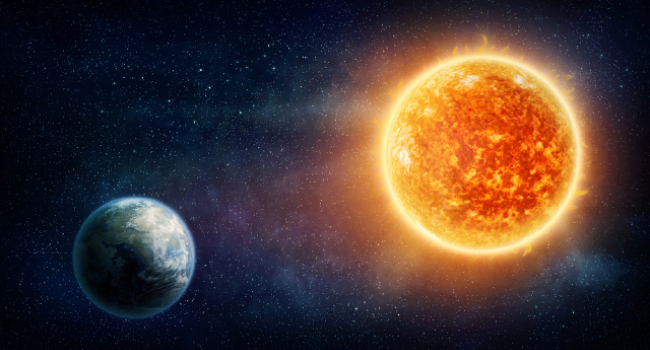
The Sun may produce devastating superflares much more frequently than previously thought. This conclusion was reached by scientists from the Max Planck Institute. According to their findings, such events could occur approximately once every 100 years, posing a potential threat to Earth. The study was published in the journal Science.
What is a Superflare?
A superflare is an extreme release of energy on the surface of a star, which is many times more powerful than the strongest solar flares ever recorded on Earth. For example, the famous geomagnetic storm of 1859, known as the Carrington Event, which disrupted telegraph communications worldwide, had only 1% of the power of a superflare.
What Did the Scientists Discover?
Researchers analyzed the activity of 57,000 G-type stars—so-called yellow dwarfs, which include our Sun. During the study, they observed 2,889 superflares on 2,527 stars, allowing them to conclude that such phenomena occur, on average, once every 100 years.
The lead author of the study, Dr. Valery Vasiliev, noted that he and his colleagues were surprised to find that stars similar to the Sun produce superflares so frequently.
However, the question of how often such events occur specifically on our Sun remains open.
Why Are Superflares Dangerous?
Superflares are often accompanied by coronal mass ejections—giant streams of charged particles that, when interacting with Earth's magnetic field, cause powerful geomagnetic storms. The consequences of such storms could be catastrophic:
- Disruptions to power grids and satellite communications;
- Damage to infrastructure due to currents induced in conductive objects;
- Harm to orbital satellites and navigation systems.
For example, in 1989, a powerful geomagnetic storm caused a massive power outage in Canada. Events comparable to the Carrington Event have occurred only nine times in the last 15,000 years, one of which was around the year 774.
What Should Be Done Next?
Scientists emphasize the need for in-depth studies of solar activity and the development of superflare forecasting systems. This would enable humanity to prepare in advance and minimize the damage such events could cause.