make preferable
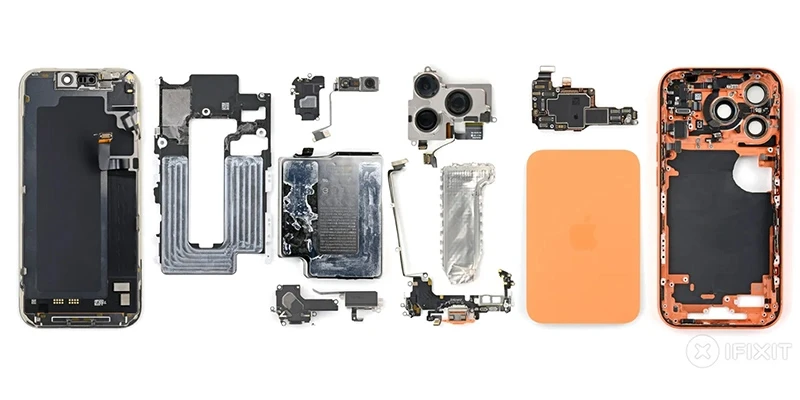
Chinese smartphone manufacturers have started reusing RAM chips extracted from old devices. This is how they are trying to contain rising production costs amid a DRAM shortage and increasing component prices. Refurbished memory undergoes cleaning and testing, but its previous service life may affect the reliability of new smartphones.
Memory from old devices is returning to production
According to Counterpoint Research, some manufacturers have begun using used DRAM chips extracted from old smartphones, computers, and servers. After dismantling, the components are cleaned and tested to determine whether they are suitable for reuse.
Such memory is most likely to appear first in budget smartphones. In this segment, it is especially important for manufacturers to keep component costs low, since even a small increase in production cost can affect the final price of the device.
According to analysts, the use of refurbished chips has already helped some Chinese companies revise their production plans upward after the memory shortage forced them to cut device output.
At the same time, this specifically refers to the reuse of individual chips, not necessarily the replacement of all the memory in a smartphone with used components. How widespread this practice will become and which specific models it will affect is still unknown.
Why manufacturers are returning to old chips
One of the reasons for the shortage is a shift in priorities among the largest memory manufacturers. Samsung Electronics and SK Hynix are redirecting some resources toward more profitable solutions for AI servers. Demand for such components is growing along with the development of AI infrastructure, while consumer electronics manufacturers have to compete for available supplies.
As a result, the memory needed for smartphones and other mass-market devices is becoming scarcer and more expensive. Reusing already produced chips makes it possible to partially offset the shortage of new components and reduce costs.
However, this is more of a forced measure than a full-fledged solution to the problem. According to Counterpoint Research, the shortage may persist even after 2027.
How risky is refurbished RAM
The main question is not whether the chip was used before, but its actual condition and remaining lifespan.
Chips that have been in operation for five or six years may have been subjected to significant loads. Wear and accumulated defects can increase the likelihood of data errors and affect device stability. Much depends on the conditions in which the memory was used and how intensively it was operated.
Cleaning and testing make it possible to detect some faults and reject problematic components. But passing inspection does not guarantee that a chip will be as reliable as a new one throughout the entire service life of the smartphone.
At the same time, the very fact that memory is being reused does not mean that a smartphone will necessarily be unreliable. If the components have undergone full testing and meet the manufacturer's requirements, they may function normally. The risks depend on the quality of selection, the condition of the chips, and production control.
There is also another issue for buyers: it is still unknown whether manufacturers will disclose that a specific model contains refurbished memory. Without such information, it will be difficult for consumers to assess the origin of the components before purchase.
A crisis that recycling cannot solve
The reuse of DRAM shows how strongly the memory shortage is affecting the electronics market. While the largest suppliers are increasing output of components for AI servers, manufacturers of budget devices are forced to look for ways to cut costs and ensure sufficient production volumes.
For buyers, this is not a reason to automatically reject inexpensive smartphones. However, when choosing a device, it is worth paying attention to the warranty, the manufacturer's reputation, and service conditions. If there is no information about the origin of the memory, neither the assumption that it is new nor that it is refurbished should be treated as a proven fact.
According to Counterpoint Research, the reuse of chips is a temporary way to mitigate the consequences of the shortage, not eliminate its root cause. Until memory supply can satisfy demand from both AI infrastructure and consumer electronics, pressure on smartphone manufacturers is likely to remain.