make preferable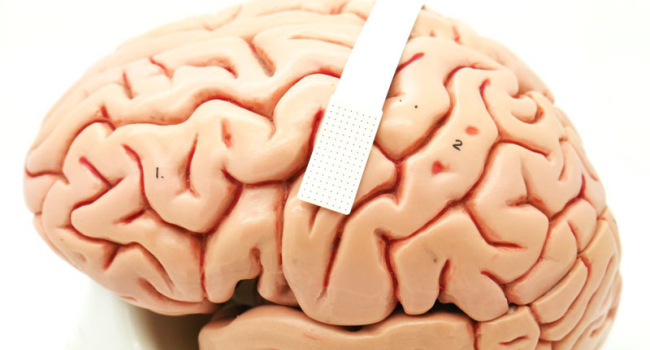
Researchers from Duke University have developed a brain implant that has the potential to enable communication based solely on thoughts. The device is designed to assist individuals suffering from speech disorders or those unable to engage in verbal communication for various reasons. Initial experiments have shown promising prospects for further development.
Experiments involving the conversion of brain activity into text and vocal communication through the scanning of brain signals from patients currently allow the translation of "thoughts" into words at a speed of up to 78 words per minute. This is likened to listening to an audiobook at half the normal playback speed, as stated by the research authors. Typically, a person speaks at a rate of up to 160 words per minute, making communication vivid and natural. To enable individuals with speech impairments to participate in such communication, more precise brain activity sensors are required.
A group of scientists from Duke University, in collaboration with the university's biomedical engineering laboratory, developed a brain activity sensor with 256 sensors on a piece of plastic the size of a postage stamp. This new sensor can capture signals from individual neurons with high accuracy, allowing for the precise detection of their activity.
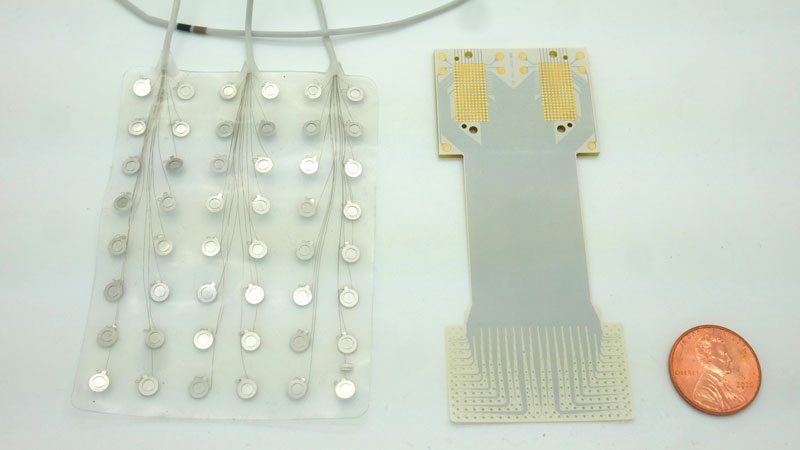
It's important to note that the researchers do not intend to read thoughts directly. Instead, they aim to identify unspoken thoughts of patients based on a complex of signals related to the muscles controlling the speech apparatus, including the tongue, throat, and facial muscles. These signals are processed and transformed into words or text using a specialized algorithm.
Experiments involving four patients showed that the average accuracy in recognizing silently spoken words is 40%, with a maximum accuracy of 84%. The recognition algorithm was trained in a "listen and repeat" mode. Patients pronounced meaningless short combinations of letters, on which the algorithm was trained to recognize brain activity for specific sound combinations.
Despite the relatively low percentage of sound recognition, the team of scientists considers this project successful. This is because the algorithm was trained for only 90 seconds during 15-minute tests. Researchers had access to patients only during planned brain surgeries when sensors were directly installed on specific areas of the brain's cortex.
In the next stage of the research, scientists plan to develop wireless sensors to work with patients under normal conditions rather than in an operating room. Someday, this may lead to the creation of convenient brain implants for translating thoughts into speech or digital messages, offering new hope for individuals with speech disorders.