make preferable
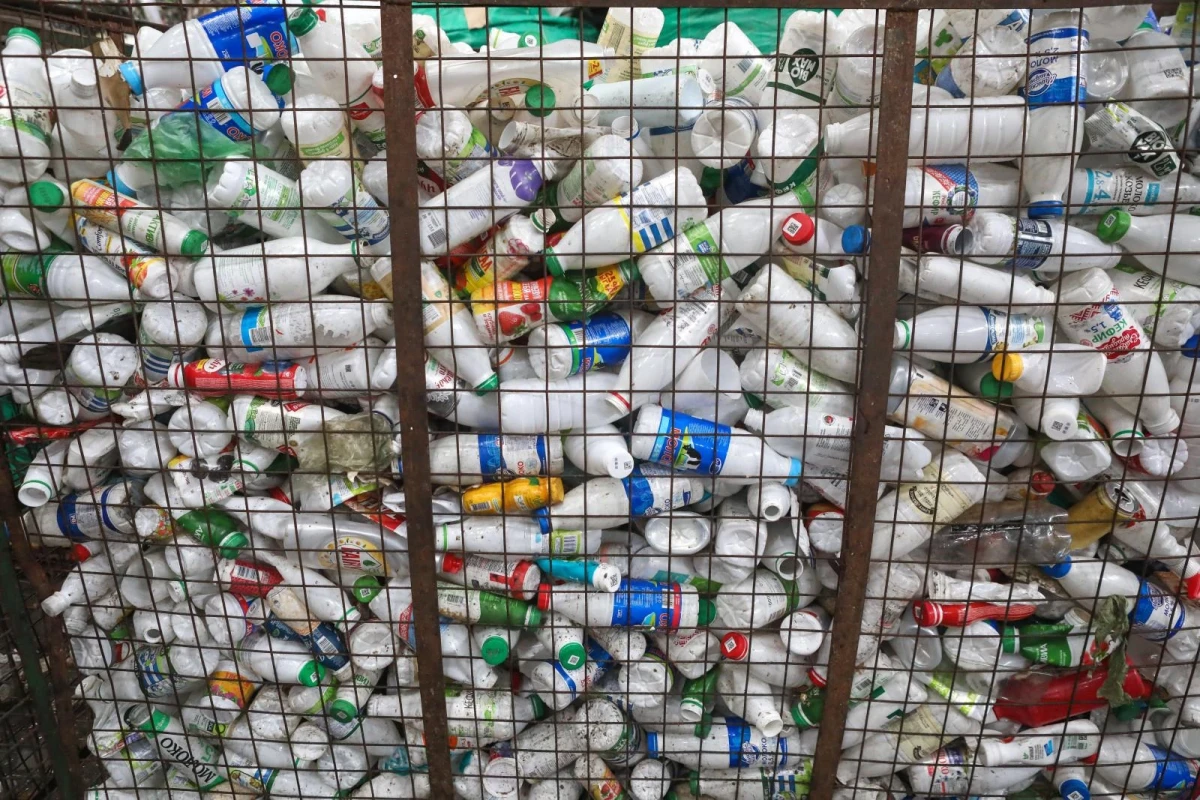
Plastic bags and other polyethylene waste could become an alternative source of raw materials for the chemical industry, which currently relies heavily on oil. Chemists at the Leibniz Institute for Catalysis (LIKAT) in Rostock, Germany, have developed a method for converting polyethylene into dicarboxylic acids—chemical compounds used, among other things, to produce nylon. The new technology operates at temperatures no higher than 120 degrees Celsius, requires no catalysts, and could potentially be scaled up for industrial use.
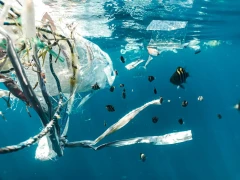
Around 400 million metric tons of plastic waste are generated worldwide every year. Polyethylene, which is used to make bags and packaging, among other products, together with polypropylene accounts for about 80% of all plastic waste. Scientists view this enormous waste stream as a potential alternative to fossil-based raw materials.
Why Existing Recycling Methods Need to Be Replaced
One common method of chemically recycling polyethylene and polypropylene is pyrolysis. In this process, plastic undergoes controlled heating at temperatures of up to 600 degrees Celsius, producing an oil that can be used as a chemical feedstock.
However, as LIKAT research group leader Dr. Esteban Mejía explains, the process requires enormous amounts of energy. Although the reaction itself produces no direct CO₂ emissions, its substantial energy requirements create a large carbon footprint. Environmental agencies are already expressing concern, and some pyrolysis plants in the United States are shutting down.
Other established methods involve the oxidative breakdown of polyethylene using reactive oxygen species, which form on the plastic's surface and gradually break down its chemical structure. But these processes require high pressure, creating a risk of explosion and making them difficult to scale up. In addition, the catalysts used are often based on precious metals, making recycling expensive.
How Plastic Is Converted into Chemical Feedstock
Mejía's team decided to improve a previously studied approach using nitric acid. Earlier experiments used highly concentrated acid at temperatures of around 180 degrees Celsius to process polyethylene, including with the use of microwave radiation. The researchers in Rostock were able to simplify this process significantly.
The new method uses highly diluted nitric acid and hydrogen peroxide. Pieces of an ordinary plastic bag are placed in the resulting mixture and heated to a maximum of 120 degrees Celsius. As a result, the polyethylene dissolves and is converted into dicarboxylic acids.
The scientists thus succeeded in chemically converting plastic under much milder conditions. The process also requires no additional catalyst.
However, obtaining the desired product requires precise control over the intensity and pattern of heating. The conversion of polyethylene into dicarboxylic acids takes place in several stages. If intermediate compounds remain in the reaction mixture for too long, the reaction becomes less efficient and produces a complex mixture of different substances instead of the target product.
From Recycling Waste to Producing Nylon
The researchers' main goal is to produce not just dicarboxylic acids, but a compound with a specific carbon-chain length that can be used to manufacture polyamide, better known as nylon.
Dicarboxylic acids can contain different numbers of carbon atoms. Previous studies produced compounds with chains ranging from two to more than 40 carbon atoms. Such products can, for example, be used to manufacture surfactants for soap.
Nylon production, however, requires a dicarboxylic acid with a chain of exactly six carbon atoms.
In their experiments, the LIKAT scientists have already managed to narrow the range of compounds produced to those with chains of four to ten carbon atoms. The researchers now aim to improve the reaction's selectivity to increase the yield of the desired six-carbon compound and make it easier to separate from the other products.
To this end, the team plans to collaborate with Dr. Udo Kragl from the Department of Chemical Engineering at the University of Rostock. At the same time, the scientists intend to study the reaction mechanism in detail, determining which intermediate compounds form during the process, at what stages, and at what rates.
Additional experiments are being conducted in collaboration with a researcher from the University of Guayaquil in Ecuador, who studies the effects of light on reactive oxygen species and their role in photochemical processes.
Can Plastic Waste Replace Oil?
According to the researchers' estimates, around 8 million metric tons of polyamide are produced worldwide every year, with oil remaining its primary raw material.
The LIKAT development opens up the possibility of producing this material from polyethylene waste, which currently makes up a significant share of plastic waste. If the technology is successfully scaled up, industry will gain an alternative source of raw materials, and plastic recycling could become part of the production process for in-demand chemical products.
As Esteban Mejía notes, industrial use of the method to produce nylon would reduce environmental impacts and lessen the industry's dependence on fossil-based raw materials.
For now, the technology remains at the research stage. The scientists still need to improve the reaction's selectivity, understand its mechanisms, and assess the feasibility of moving to pilot-scale production.