make preferable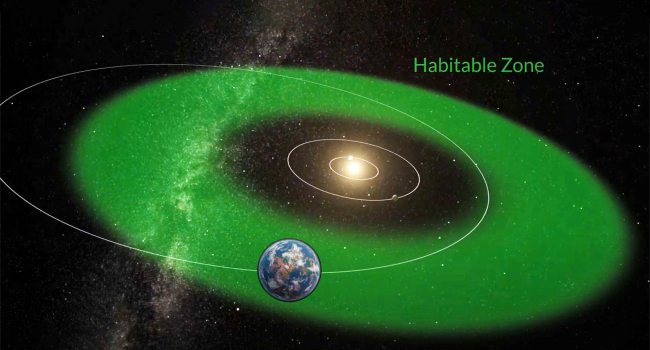
Astronomers have confirmed the existence of the exoplanet HD 20794 d, located just 20 light-years from Earth, and found that it may lie within the habitable zone of its star. The study was published in the journal Astronomy & Astrophysics (A&A).
A Long-Awaited Confirmation
The discovery of HD 20794 d is the result of over 20 years of observations using the HARPS and ESPRESSO spectrographs in Chile. The planet’s signal was first detected in 2022 when scientists analyzed archived data. However, its weak signal required years of verification to rule out possible errors.
This discovery brought great joy and relief, as the signal was on the verge of detection, says Dr. Michael Cretigne from Oxford University, who was the first to notice HD 20794 d.
Unique Features of the Planet
HD 20794 d belongs to the class of super-Earths—planets more massive than Earth but lighter than gas giants. It moves in an elliptical orbit, causing significant variations in its distance from its star over the course of its year. This makes HD 20794 d a unique target for research, as such orbital features could affect the planet’s climate.
A Chance to Find Signs of Life
While it is too early to say whether life exists on HD 20794 d, scientists see it as a promising target for future missions. In the coming decades, the Extremely Large Telescope (ELT) and the LIFE project could study the planet’s atmosphere and search for biosignatures—possible signs of life.
This exoplanet is one of the closest super-Earths to us, meaning we have a chance to determine how truly habitable it might be, note the study’s authors.
Scientists hope that further observations will help them better understand the conditions on HD 20794 d and provide new clues about the potential for life beyond the Solar System.