make preferable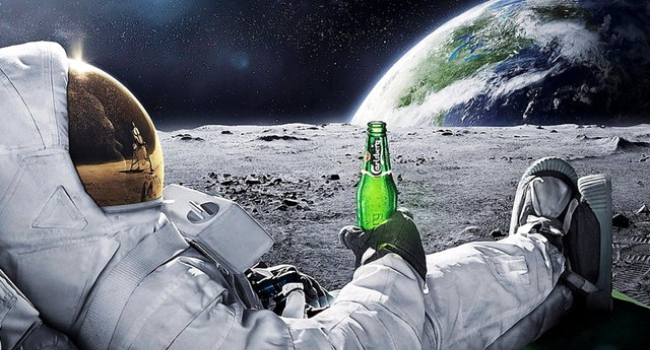
Space tourism is rapidly becoming a reality, offering a range of experiences from quick suborbital trips to multi-month stays on the International Space Station (ISS). As private companies such as SpaceX, Blue Origin, and Virgin Galactic spearhead this new industry, the debate about its value continues to grow. Is space tourism propelling humanity towards the stars, or is it merely a playground for the ultra-wealthy?
Let’s explore the pros and cons of this emerging trend.
The Pros of Space Tourism
- Encouraging Scientific Research and Development
While space tourism may sound like an expensive adventure, there are tangible scientific benefits. Many space tourists participate in scientific experiments that explore the effects of microgravity on human health, plant growth, and material properties. This research contributes valuable data that could help humans understand how to sustain life beyond Earth, ultimately supporting future space exploration. - Stimulating Economic Investment
The space tourism industry has already attracted hundreds of millions of dollars in investment. This financial influx supports the development of new technologies, equipment, and techniques, fostering innovation and potentially leading to advancements in other areas of space exploration. The more investment that flows into space initiatives, the more likely it is that these efforts will benefit broader, shared ventures in space. - Raising Public Interest and Awareness
Space tourism has generated significant public interest, especially with celebrities like William Shatner participating in these missions. This increased media attention helps promote public awareness and discussion about space exploration, which could, in turn, lead to greater support and funding for space programs and initiatives.
The Cons of Space Tourism
- Exclusivity and Accessibility
One of the primary criticisms of space tourism is its exclusivity. With ticket prices ranging from hundreds of thousands to tens of millions of dollars, this experience is accessible only to the super-wealthy. This can create a perception that space exploration is a playground for the rich, leading to public disillusionment and diminishing the broader appeal of space exploration. - Questionable Contribution to Scientific Progress
While some space tourists have conducted experiments, critics argue that these activities have not yielded groundbreaking results that couldn't be achieved by professional astronauts. As a result, space tourism does not seem to significantly advance human spaceflight or contribute to our understanding of space in a meaningful way. - Limited Impact on Broader Space Activities
Space tourism remains a niche industry with limited application beyond its current scope. The technologies developed specifically for space tourism may not necessarily transfer to other space-related sectors, such as industrial or scientific applications. This raises concerns that time, money, and resources may be wasted on a venture that fails to produce broader benefits.
The Bottom Line
Space tourism is still in its infancy, and there are challenges ahead. The industry remains small, with only about 60 people having traveled to space as tourists, mostly on short suborbital flights. With only a handful of dedicated space tourism launches each year, the growth of this niche market appears uncertain.
For most, the dream of becoming a space tourist may remain just that — a dream. Space tourism is unlikely to revolutionize human space exploration or lead to significant technological breakthroughs. However, for those who have the means and the opportunity, it represents a unique experience that few others can claim.