make preferable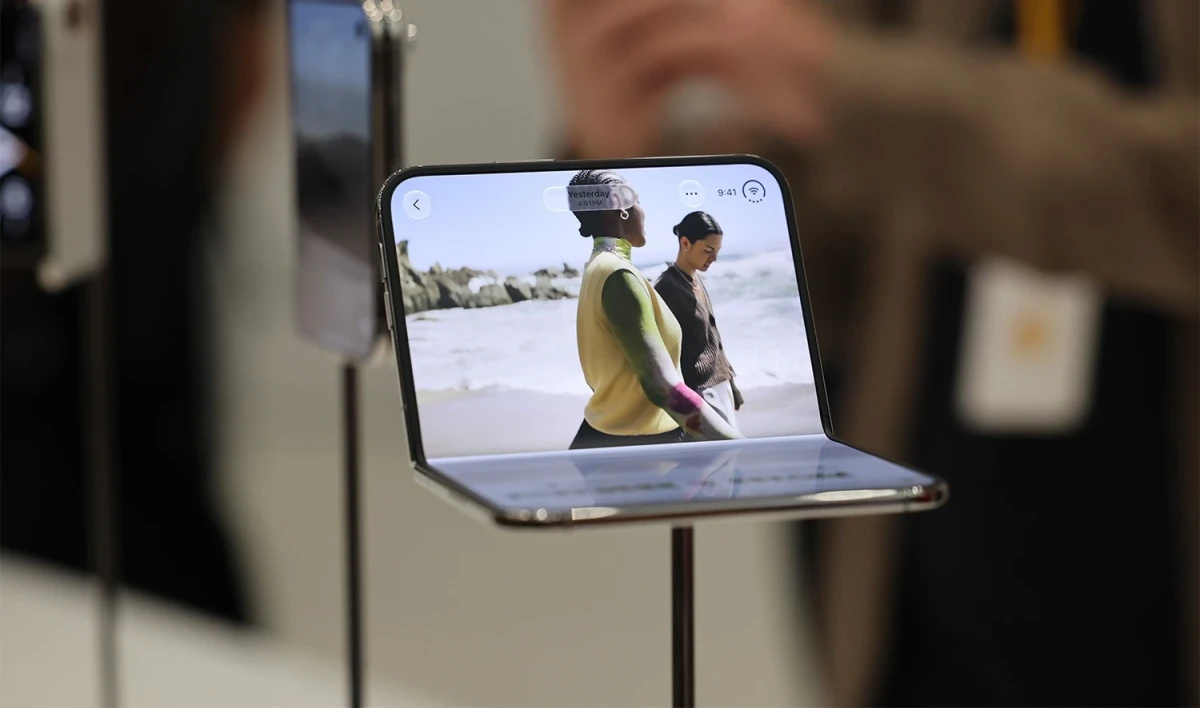
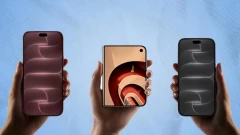
Apple’s first foldable smartphone will come with several advantages of its own, but in a number of areas it will be less capable than the iPhone 18 Pro and 18 Pro Max. The main limitations are tied to the cameras and biometrics: to achieve the foldable design and keep the body as thin as possible, Apple had to give up some features found in its standard flagships.
Cameras Will Be the Main Compromise
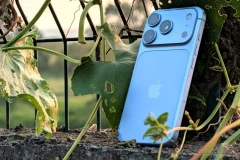
The most noticeable differences will affect the camera system. The iPhone Duo will not get a dedicated telephoto lens with 8x optical zoom, which will be available on the iPhone 18 Pro. Instead, the foldable smartphone will use the main 48-megapixel Fusion camera with 2x “optical-quality” zoom.
The main camera itself will also lose the variable aperture. In addition, the iPhone Duo will not get a number of professional shooting capabilities available in the Pro models: ProRAW, ProRes RAW, and professional camera controls. Another limitation will be the absence of spatial photo and video capture.
The front-facing camera will also be simpler, with a resolution of 12 MP versus 18 MP on the iPhone 18 Pro.
No Face ID or LiDAR
The differences do not end with the cameras. Due to the specifics of the foldable design, the iPhone Duo will also lack the Action button and the LiDAR scanner, which is used for depth sensing and augmented reality features.
The biometric authentication system will change as well. Instead of Face ID, Apple is reportedly going to use Touch ID built into the side button. As a result, the foldable iPhone will become the company’s first modern flagship to return to a fingerprint scanner instead of facial recognition.
In total, the iPhone Duo will lag behind the Pro models in at least ten distinct features, with most of the compromises affecting cameras, photography, and additional hardware capabilities.
The Foldable iPhone Will Have Advantages of Its Own
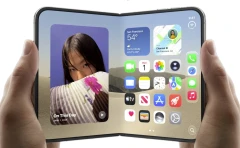
At the same time, the iPhone Duo cannot be described as simply a stripped-down version of the iPhone 18 Pro. The foldable device will get features that ordinary flagships will not have, primarily those tied to its large internal display. In addition, the smartphone will support the Apple Pencil.
So Apple is not betting on the foldable model offering outright superiority in specs, but rather on the advantages of the form factor itself. Users will have to choose between the more versatile camera and professional capabilities of the iPhone 18 Pro and the new experience the foldable Duo will offer.
Sales of the iPhone 18 Pro and 18 Pro Max are expected to begin on September 18, while the iPhone Duo will not reach stores until October 23.