make preferable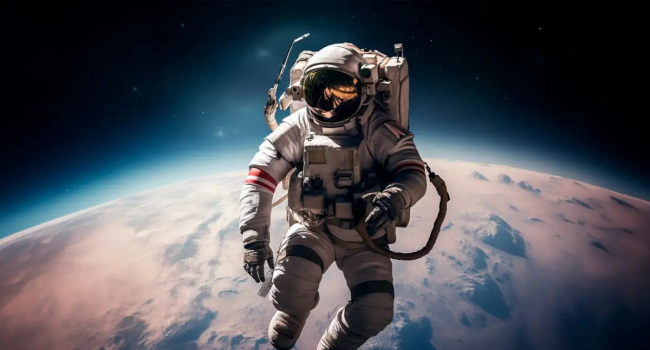
Long-duration space missions, such as future expeditions to Mars, could significantly accelerate aging processes in the human body. This is the conclusion reached by a group of scientists from the University of Central Florida. According to their data, the liver bears the brunt of the impact.
What the experiments showed
The researchers reproduced in the laboratory two main factors of deep space — microgravity and cosmic radiation. Animals were exposed to conditions comparable to those of a Mars mission for 14 days.
Within just one day after irradiation, genetic changes characteristic of natural aging began in liver cells. Over time, inflammation, cellular senescence, and fibrosis — the formation of scar tissue that impairs organ function — intensified.
Confirmation from real astronauts
The scientists compared laboratory data with the results of NASA studies. Similar molecular changes were found in blood samples from participants in the famous Twins Study and the Inspiration4 mission. This confirms that the processes observed in the laboratory do indeed occur in humans in space.
Space as an "accelerated aging laboratory"
According to the researchers, space acts as a kind of accelerator of age-related changes. What develops over decades on Earth can manifest significantly faster under conditions of weightlessness and radiation.
This discovery is important not only for the safety of future long-distance space missions but also for understanding the mechanisms of human aging in general. The data obtained could help in the development of new methods for preventing age-related diseases on Earth.
In brief
Scientists from the University of Central Florida have established that long-term spaceflights accelerate aging processes, primarily through damage to the liver. Microgravity and cosmic radiation cause inflammation, cellular senescence, and fibrosis of the organ. These changes are observed within just one day after exposure and are confirmed by data from real astronauts. The study was published in the journal GeroScience. The findings will help improve the safety of future missions to Mars and provide a better understanding of the mechanisms of aging.