make preferable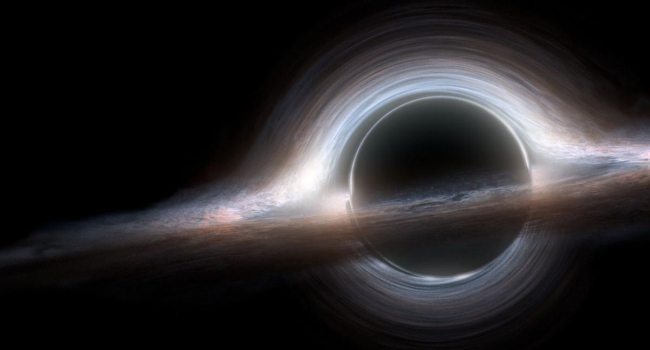
A new study by astrophysicists from the University of Santiago in Chile has revealed that supermassive black holes (SMBHs) don't just consume matter; they first "prepare" it through gas emissions. This process not only nourishes the black holes but also contributes to the formation of stars. The findings were published in Nature Astronomy (NatAstro).
How Black Holes "Process" Matter
The researchers analyzed seven galaxy clusters located between 170 million and 1 billion light-years from Earth. Among them was the Perseus cluster, one of the largest structures in the universe.
The study uncovered:
- X-ray flares and radio emissions from supermassive black holes.
- Long neon "threads" of gas piercing the space between galaxies.
- These gas jets are formed under the influence of the black holes' emissions and play a crucial role in feeding them.
The Feedback Cycle: Black Holes Create Their "Food"
As the scientists explain, the emissions from black holes cool the hot gas, creating dense threads of matter. These threads then direct some of the gas back to the centers of galaxies, where it becomes fuel for the black holes, maintaining their activity.
This is a cyclical process in which black holes:
- Emit powerful jets of gas.
- These jets form structured threads.
- Part of the gas returns to the black hole, fueling its growth.
Black Holes Contribute to Star Formation
However, the impact of black holes is not limited to consuming matter. The scientists discovered that the gas threads create cavities in the intergalactic medium, providing the right conditions for new stars to form.
Thus, black holes:
- Transform surrounding matter and make it available for consumption.
- Influence the evolution of galaxies, stimulating star birth.
- Shape the structure of the universe, playing an active role in the cosmic ecosystem.
Why Is This Important?
For a long time, black holes were viewed as destructive forces, but the new study shows they also contribute to creative processes. Their emissions affect galaxy structures and star formation, making them not just cosmic "devourers," but active creators of the universe.