make preferable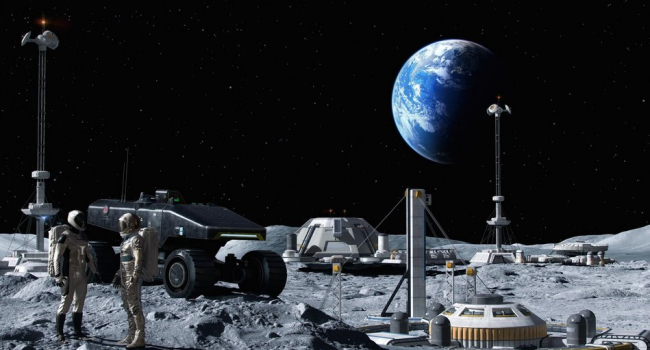
Researchers from the Polytechnic University of Madrid in Spain have proposed using phase-change materials (PCMs) to provide thermal insulation for extraterrestrial bases. These materials could be key to maintaining a comfortable temperature on extraterrestrial stations. The results of the study were published in the scientific journal Thermo.
The space environment is known for its extreme temperature fluctuations. For example, on the surface of the Moon, the temperature can vary from 121°C during the day to -133°C at night. Maintaining a stable temperature inside habitation modules in such conditions would require significant heating and cooling efforts that humanity has not yet encountered on Earth.
Phase-change materials have long been used in various products such as batteries, solar power plants, heat pumps, and spacecraft. These materials are able to store heat during periods of high temperature and release it when the temperature drops.
In their study, the scientists considered the possibility of using n-octadecane, one of the PCM materials that switches from absorbing to emitting heat when the temperature drops to 28°C. The simulations showed that using PCM in the walls of space habitats significantly reduces the need for active heating and cooling systems, helping to maintain an optimal temperature for life.
In the model, the scientists also took into account such factors as the reflectivity of the outer surface and the current phase of the solar cycle. The results showed that under certain conditions, passive temperature regulation inside a space habitat is possible using only PCM.
However, as the researchers note, questions remain about the real possibility of integrating PCM into cave walls or other structures created from local materials on extraterrestrial objects. There may also be a problem with the high cost of the required amount of PCM for thermal control of large residential facilities at current market prices.