make preferable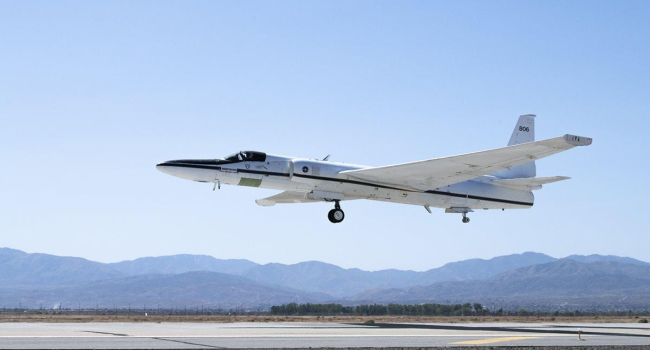
NASA's high-altitude ER-2 aircraft, descendants of the iconic Lockheed U-2 spy plane developed in the 1950s at the secretive Groom Lake test site, are soaring above the American desert once again. The ER-2s, known as Earth Resources 2, have a rich history of flying at altitudes exceeding 60,000 feet (18,000 meters) and have conducted over 4,500 missions studying Earth's atmosphere, ozone levels, and testing satellite sensors.
In a significant mission called GEMx (Geological Earth Mapping Experiment), NASA has assigned one of its ER-2 aircraft to assist in locating hidden stores of minerals crucial for electronics manufacturing, the U.S. economy, and national security. Partnering with the United States Geological Survey (USGS), the mission aims to identify critical minerals within the American Southwest, including California, Nevada, Arizona, and New Mexico.
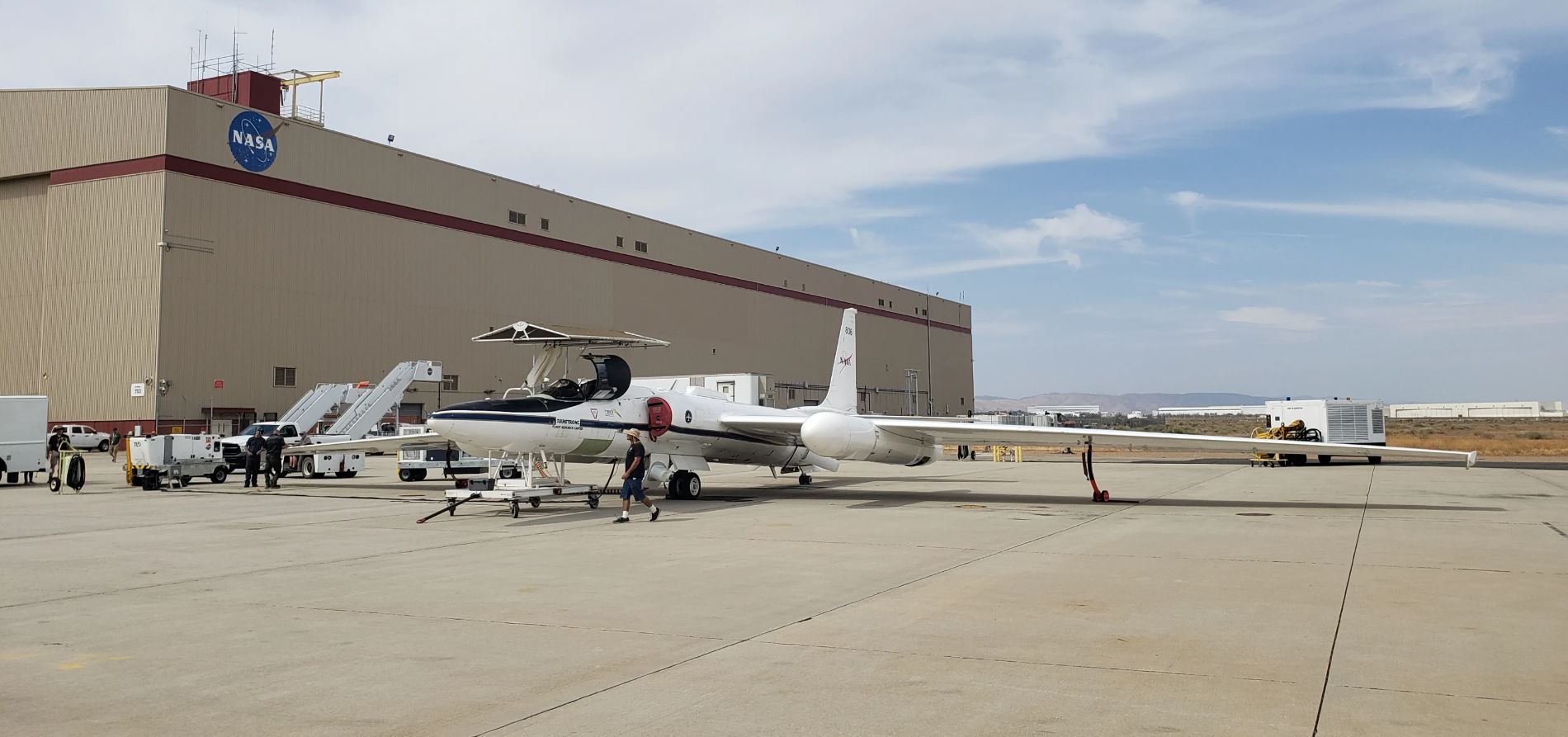
The ER-2, equipped with special sensors, is flying over arid regions at altitudes of 65,000 feet (19,800 meters), collecting hyperspectral images that encompass visible light, infrared, and thermal radiation bands. These images reveal geophysical complexities beneath seemingly simple surfaces, providing insights into the presence of critical minerals sought by the GEMx mission.
Raymond Kokaly, a USGS geophysicist, emphasized the importance of the mission, stating, "The U.S. depends on a reliable supply of Earth materials to support its economy and national security." The identification of undiscovered deposits of critical and strategic minerals is crucial, and modern geophysical data is essential for understanding these resources.
The GEMx project aligns with the Biden-Harris administration's efforts to reduce dependence on foreign sources for critical minerals, as outlined in a 2021 Executive Order. Currently, China dominates the global market for processing and refining cobalt, lithium, rare earths, and other critical minerals, posing national and economic security threats.

Kevin Reath, NASA deputy program manager for GEMx, emphasized the potential impact of the mission, stating, "If this mission can successfully identify critical minerals in minable locations in the U.S., we could be less dependent on foreign entities for these critical minerals."
NASA estimates the GEMx project's cost at $16 million, with plans for it to continue through the fall of 2026. The mission represents a significant step towards securing a domestic supply of critical minerals, aligning with the broader goals of enhancing national and economic security.