




 make preferable

The development of AI infrastructure offers Armenia an opportunity to become a significant player in the global technology market. Rev Lebaredian, NVIDIA's vice president of simulation for physical AI, made this statement today during discussions at Digiconf.
According to him, Armenia already has a substantial advantage in this area. “Armenia has more graphics processing units and AI capacity per capita than almost anywhere else in the world, and we are expanding that potential,” he noted.
Armenia can become an important player in the global technology market
According to the NVIDIA representative, the development of artificial intelligence presents Armenia with two major opportunities.
The first is related to the global expansion of AI infrastructure. According to Lebaredian, $3–4 trillion will be invested in building this infrastructure worldwide over the next few years. This is the largest and fastest infrastructure buildout in human history, requiring the development of complex supply chains and the emergence of many new companies.
He believes Armenia can also participate in this process by creating companies and developing the capabilities needed to support global AI infrastructure.
The second opportunity stems from the fact that the industry itself is still in its early stages. According to Lebaredian, because artificial intelligence is an entirely new field, no one yet knows how to develop it most effectively. This puts Armenia on a relatively equal footing with other countries and gives it an opportunity to move ahead. “Now it is simply a matter of choice: do we want to pull ahead? And since we have decided to do so, we can now emerge as an important player on the global stage. I believe the only way to ensure that Armenia is prosperous, secure and respected is to matter to others. This is our chance to become significant,” he said.
Part of the revenue from AI infrastructure must be directed toward the country's development
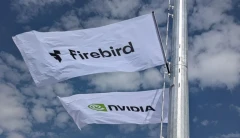
Lebaredian also addressed the reinvestment of the revenue Armenia will receive from the development of AI infrastructure. He recalled that the Armenian government signed an agreement with Firebird last year. According to the figures he cited, the five-year program allocates $25 million ($5 million annually) to purchase computing capacity from Firebird at a discounted price. These resources are to be made available to Armenian higher education institutions, research laboratories, companies and businesses. Their use by government agencies is also being considered.
However, Lebaredian considers the allocated funding fairly modest compared with the scale of the potential opportunities. “That is wonderful, but it is actually a fairly modest figure. Five million dollars' worth of AI capacity is very, very little,” he noted. In his view, Armenia should assess the overall economic benefits of AI infrastructure projects, including direct revenue, and consider channeling some of those funds back into the country. This would involve creating additional advantages for Armenian universities, companies and citizens through access to computing resources. Lebaredian stressed that Armenia's current lead will not last forever, so these advantages must be used to further the country's development.
“Creating value here and exporting it is one thing, but taking some of that value and reinvesting it back into our country is something else entirely. We have this lead now, which is great, but it will not last forever, so we should reinvest it,” he said.