make preferable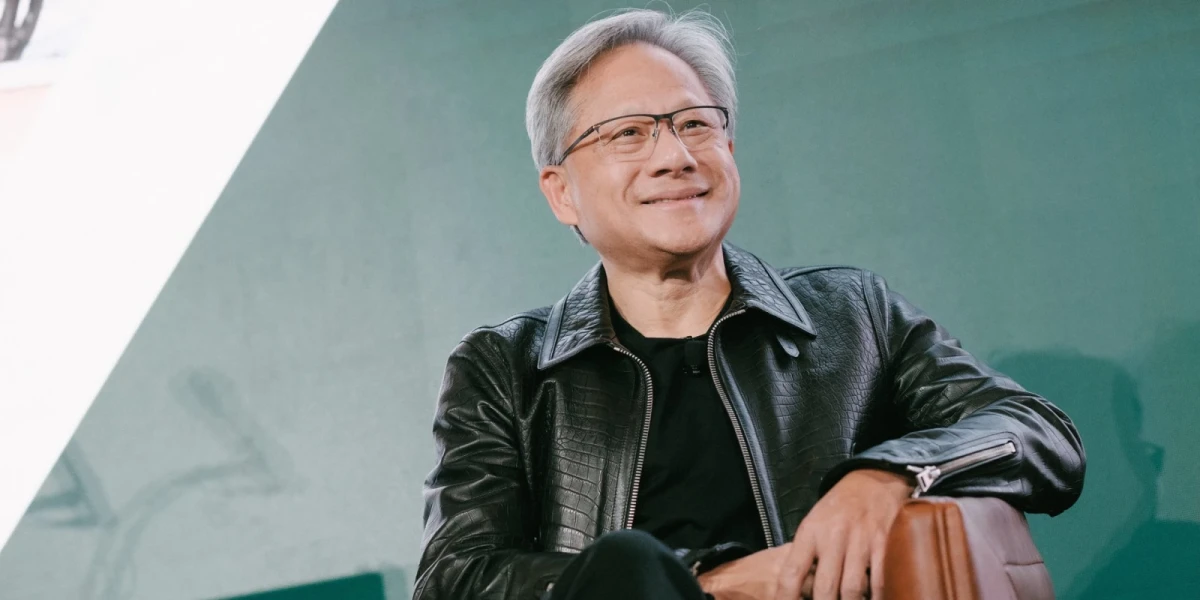
Nvidia founder and CEO Jensen Huang has clearly outlined his position on the risks of artificial intelligence. Speaking at the Salesforce Dreamforce conference, he said that AI is not some new form of “alien intelligence,” as some safety researchers describe it. In Huang’s view, it is simply hardware and software created by people, which means people are capable of controlling it using existing mechanisms.
“Safety is an engineering problem, not a legal one,” Huang said.
According to him, AI is a complex computing system, but ultimately it remains just that — a computing system. Therefore, the Nvidia chief believes there is no need to create new laws or special regulatory rules for it.
Moreover, Huang believes that the market itself is capable of pushing companies to take responsibility for the safety of their products.
If a company is not confident in the reliability, capabilities, or safety of its product, it simply should not release it, he said. Companies must determine the pace of development themselves and pause when necessary to fix problems.
“Innovation, speed, and safe products … it’s a false choice,” Huang believes. In his view, companies can both develop technology quickly and ensure its safety at the same time.
Such an approach is quite logical from the perspective of the head of a company that has been building computing systems for artificial intelligence for many years. Today, Nvidia not only produces chips, but also develops software, models, AI agents, and other tools.
However, critics of this approach point out that even companies with good intentions regularly release products with serious flaws and unforeseen consequences. One well-known example was the CrowdStrike outage in 2024, when a faulty software update caused widespread problems in computer systems around the world, including the cancellation of thousands of flights.
In addition, concerns also arise because of already known risks directly tied to artificial intelligence. Model errors and unexpected behavior, misuse of the technology, security issues, and lawsuits against AI companies show that consequences can arise even when internal testing is in place.
Critics also note that existing laws may prove to be too slow a mechanism. If regulation happens only after a technology has already caused harm and specific cases have reached the courts, society will first have to face the consequences and only then figure out who is responsible.
There is also a middle-ground option — industry self-regulation. In such a scenario, AI developers themselves agree on safety rules, testing standards, and restrictions for the most powerful systems.
Still, Huang’s position for now appears different: in his opinion, new laws are not needed, and companies should decide for themselves how quickly to move forward and when it is necessary to stop.
The debate is especially important now, as AI development is accelerating and the largest technology companies are simultaneously calling for different approaches. Some believe that new capabilities require special rules and international cooperation. Others fear that excessive regulation could slow technological progress.
Huang himself maintains that safety and speed of development do not contradict each other. Companies can move as fast as technology allows, but they are obligated to stop on their own if they believe a system is still not safe enough to release.
The main question remains open: are companies’ own decisions and market pressure enough for this, or will society need new oversight mechanisms as increasingly powerful AI systems emerge.