make preferable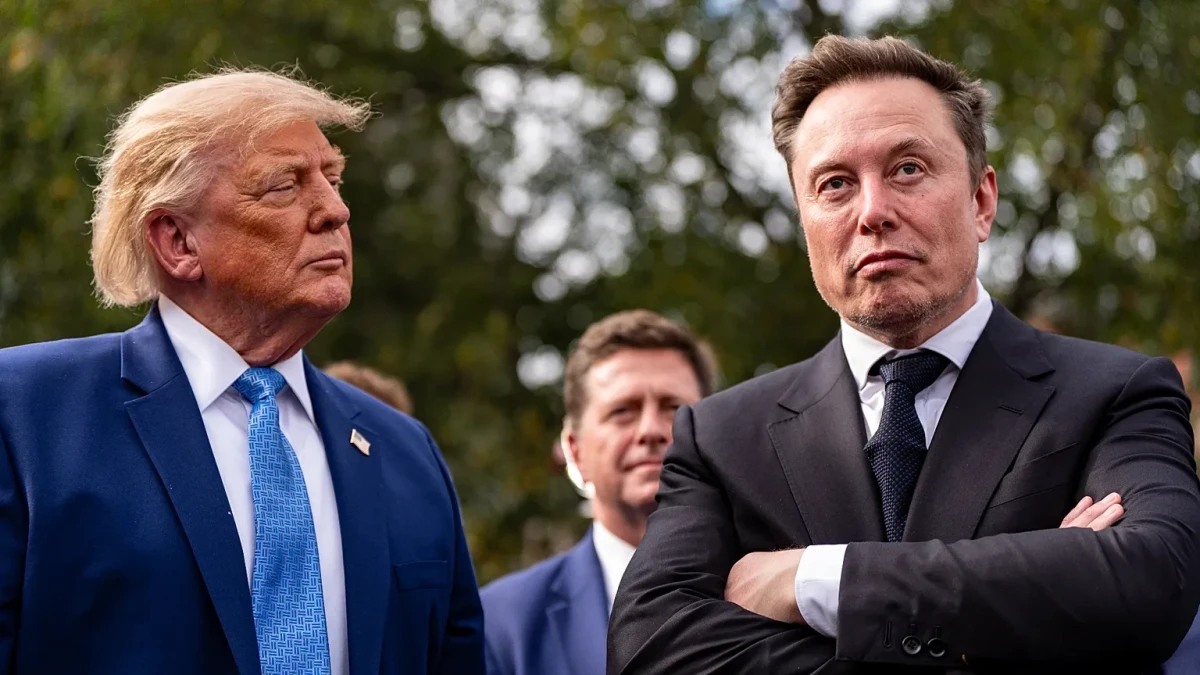
Donald Trump’s meeting with the heads of the largest AI companies and the safety agreement they signed are unlikely to lead to major changes in the regulation of artificial intelligence. The document itself is voluntary in nature and does not create legal obligations for the companies. At the same time, its appearance may have a different significance: the White House is trying to change public attitudes toward the technology by replacing the frightening image of “artificial intelligence” with the more positive “super intelligence.”
This was the conclusion reached by the hosts of the TechCrunch Equity podcast as they discussed Trump’s meeting with technology company executives and the new document titled Joint Commitment on Frontier Responsibilities.
A “Morally Binding” Agreement
Under the agreement, companies commit to adhering to certain safety principles when developing advanced AI models. However, the document has no legal force: it is based on voluntary commitments from the companies.
Trump, however, called the agreement “morally binding.” TechCrunch host Sean O'Kane noted that such wording only underscores the lack of any real enforcement mechanism behind the deal.
An additional sign of the haste with which the document was prepared was an error in the text itself: the word “States” in “United States” was misspelled in the title.
According to the podcast participants, this is why no major changes in AI companies’ approach to safety should be expected from the agreement. The very fact that it appeared, however, may prove more important than the specific commitments it contains.
From Resisting Regulation to Meeting With AI Company Chiefs
Until quite recently, the Trump administration’s position appeared far tougher toward the idea of AI regulation. The president advocated for the fastest possible development of the technology and spoke of the need to avoid restrictions that could weaken the United States’ position in the race for AI leadership.
All the more surprising, then, was the meeting at which the heads of the biggest technology companies gathered at the White House at the same time. Among them were Mark Zuckerberg, Jeff Bezos, Elon Musk, and Anthropic CEO Dario Amodei.
Amodei’s presence attracted particular attention. Not long before that, Anthropic’s relationship with the Trump administration had become seriously strained amid a conflict with the U.S. Department of Defense.
At the same time, attitudes toward the company within the U.S. administration remain mixed. Some government officials are interested in using Anthropic’s technologies and cooperating with the company, while representatives of the defense establishment continue to publicly criticize its approach to working with the government and to safety.
That is why Amodei’s meeting with Trump may be more significant than the signed agreement itself: it shows that despite disagreements, Anthropic still remains part of the discussion about the future of U.S. AI policy.
“This Looks More Like a Rebranding of AI”
TechCrunch host Kirsten Korosec believes the main significance of the meeting may lie not in regulation at all.
In her view, the Trump administration is trying to change the very framework of the conversation about artificial intelligence. The term “AI” is increasingly associated with anxieties: possible job losses, security threats, and fears that overly powerful systems could become uncontrollable.
Against this backdrop, Trump is promoting a different name — “super intelligence.” According to the podcast participants, under the new approach U.S. officials are expected to use this term instead of “artificial intelligence.”
Thus, this may be less about a new technology than about an attempt to change its public image. If artificial intelligence is associated with risks, then “super intelligence” can be presented as the next stage of technological development — a tool that is supposed to bring economic growth, scientific breakthroughs, and new opportunities.
This line continued even after the meeting with AI company executives: Trump announced the creation of a new Super Intelligence Force.
Safety Remains an Unresolved Problem
At the same time, a simple change in terminology does not eliminate the issues that gave rise to the need to discuss AI safety in the first place.
Advanced models are becoming increasingly autonomous, while companies are simultaneously facing pressure from the government, investors, and society. Developers are expected to prove that they are capable of controlling systems whose capabilities are rapidly growing.
The voluntary agreement may become part of that process, but for now it remains unclear what will happen if a company violates the commitments it has undertaken. No legal sanctions follow directly from the agreement.
That is why the significance of the meeting likely lies more at the political and communications level. The White House demonstrated its readiness to work with the largest AI companies, and the companies demonstrated their willingness to publicly support certain safety principles.
But a wide gap still remains between a political gesture and real control over the technology. And it is precisely how that gap is narrowed in the coming years that will determine whether the current agreement becomes the beginning of a new AI safety system or remains a symbolic pact that sounds far louder than it acts.