make preferable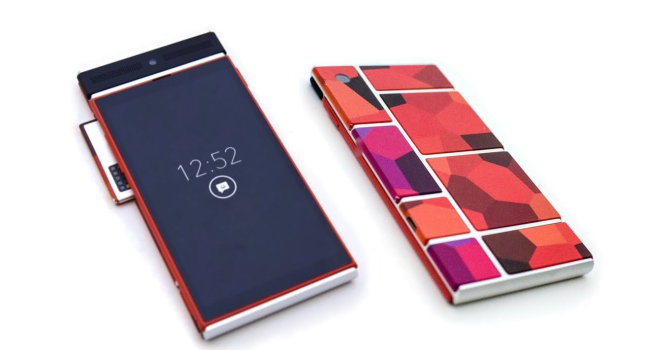
Smartphones are constantly evolving, and not every experiment succeeds. Some ideas looked innovative but ended up causing more problems than benefits in practice. Here are five notable features that never caught on.
Modular design
The idea of building a smartphone like a construction kit appealed to engineers. One of the most famous projects was Google's Ara: users could swap out camera modules, batteries, and other components by simply clicking "blocks" in and out.
In reality, things proved more complicated. Modules drove up the cost of the device, the build became less reliable, and compatibility between components caused issues. In the end, every company that tried a modular approach abandoned it. No such smartphones exist on the market today.
Pop‑up cameras
A few years ago, pop‑up cameras allowed manufacturers to eliminate notches and screen cutouts. The camera was hidden inside the body and extended only when needed. Oppo, OnePlus, Asus, Xiaomi, and other brands used this solution.
However, the mechanism proved fragile: the cameras were vulnerable to drops, and providing proper water resistance was difficult. Once technology allowed for discreet punch‑hole displays, pop‑up cameras were phased out.
Iris scanners
In the Galaxy Note 7, Samsung tried iris recognition for unlocking. The technology seemed highly secure, but enthusiasts quickly demonstrated that it could be fooled with a printed photo and a contact lens. What's more, the scanner struggled with glasses.
In the end, manufacturers switched to fingerprint readers and face‑recognition systems, which proved more convenient and reliable.
Touchless gesture control
Samsung and Google experimented with features that activated when a finger simply hovered over the screen. The Pixel 4 even used radar to track hand position.
The algorithms were inconsistent: recognition depended heavily on angle, lighting, and the precision of movements. Ordinary taps turned out to be more familiar and reliable. While some gestures, such as taking a photo with an open palm, have survived, widespread touchless control never took off.
Heavily curved screens
"Waterfall" displays with sharply curved edges were for a time considered a hallmark of flagship devices. They created the illusion of an almost bezel‑free screen.
In practice, the curves distorted images at the edges and made it difficult to press buttons near the screen's perimeter. Such displays also shattered particularly easily when dropped. Manufacturers now prefer nearly flat screens with only a slight curvature.
In brief
Many bold smartphone ideas failed to catch on because of high cost, low reliability, or inconvenience. Modular designs, pop‑up cameras, heavily curved screens, touchless gestures, and iris scanners either proved too fragile or simply failed to meet expectations. In the end, manufacturers returned to simpler, more practical solutions.