make preferable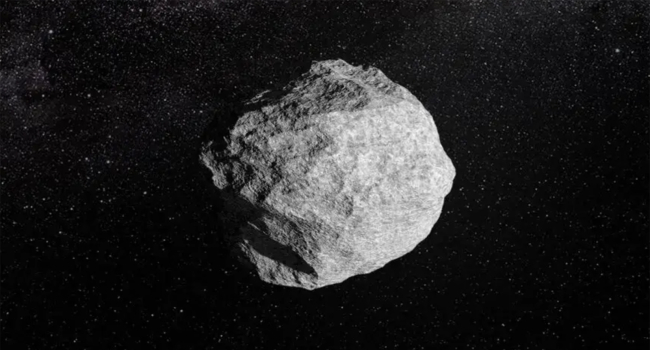
Astronomers have named asteroid 2024 YR4 the most dangerous object for our planet among all currently known objects. This was stated by expert Evgeny Burmistrov of Perm National Research Polytechnic University.
When and how the asteroid is dangerous
According to calculations, a collision could occur on December 22, 2032. If such a body were to fall, the destruction would affect an area with a radius of about 30 kilometers — comparable to the area of a large city.
Burmistrov noted that the impact of such a body would lead to significant destruction within a 30 km radius from the impact point — comparable to a large city.
At the same time, the probability of collision is currently estimated as extremely low — approximately 0.0017%. Astronomers plan to substantially refine the asteroid's trajectory in 2028, when it approaches Earth again.
Humanity already knows how to avert the threat
The expert emphasized that humanity already possesses technologies to change the orbit of dangerous celestial bodies. He cited NASA's DART mission as an example, noting that a spacecraft had rammed the asteroid Dimorphos several years ago, reducing its orbital period by as much as half an hour and shifting its path by thousands of kilometers.
In Burmistrov's opinion, such an impact is quite sufficient to make a dangerous asteroid miss Earth.
What's next
For now, 2024 YR4 remains the most dangerous known asteroid in terms of the combination of size and probability of close approach. However, specialists continue to monitor space and regularly update data on potentially hazardous objects. Modern technologies provide confidence that even in the event of a real threat, humanity will have the time and means to neutralize it.
In brief
Asteroid 2024 YR4 has been recognized as the most dangerous for Earth to date. A collision is possible on December 22, 2032, and could cause serious destruction within a 30 km radius. The probability of impact is estimated at just 0.0017%. Astronomers will refine the trajectory in 2028. Humanity already knows how to change asteroid orbits, as demonstrated by the DART mission.