make preferable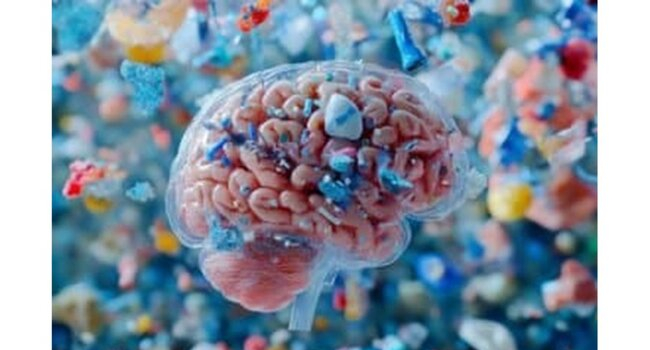
Micro- and nanoplastic particles are present in virtually every sample of living human brain tissue, according to a study published in the journal Nature Health. Authors state this is the first direct evidence of plastic contamination in the brains of living humans. These findings add to a rapidly growing body of scientific evidence suggesting a potential link between plastic pollution and neurological impairments.
Plastic in Every Brain
The study, led by Li R. and colleagues, analyzed 156 samples of affected brain tissue from 113 patients with brain tumors, alongside 35 samples of healthy brain tissue from five post-mortem donors. Microplastics were detected in 99.4% of affected tissue samples and 100% of healthy tissue samples. Researchers identified higher concentrations of microplastics in the tissues surrounding brain tumors compared to healthy tissues, suggesting that plastic may penetrate more actively through the compromised blood-brain barrier in oncology patients.
A positive correlation was found between the surface area of microplastics and tumor proliferation, though the authors refrained from asserting a direct causal link. The study builds on foundational research published in February 2025 in Nature Medicine by Matthew Campen and colleagues from the University of New Mexico. That work established that brain tissue contains 7 to 30 times more microplastics than liver or kidney samples from the same individuals. Furthermore, that study documented that microplastic concentrations in the brain increased by approximately 50% between 2016 and 2024.
Rising Concerns Over Neurodegenerative Diseases
The accumulation of plastic in the brain has drawn attention to potential links with neurodegenerative conditions. Campen’s 2025 study showed that the brains of individuals diagnosed with dementia contained three to five times more plastic than those of healthy individuals. However, scientists cautioned against premature conclusions: the causality could be reversed—dementia may degrade the blood-brain barrier, opening a path for plastic into the brain, rather than the other way around.
In a separate review published in March 2026 by researchers at the University of Technology Sydney, five biological mechanisms were identified through which microplastics may harm the brain: activation of immune cells, increased oxidative stress, disruption of the blood-brain barrier, impaired mitochondrial function, and neuronal damage. "Microplastics effectively weaken the blood-brain barrier, making it permeable," stated co-author and Associate Professor Kamal Dua.