make preferable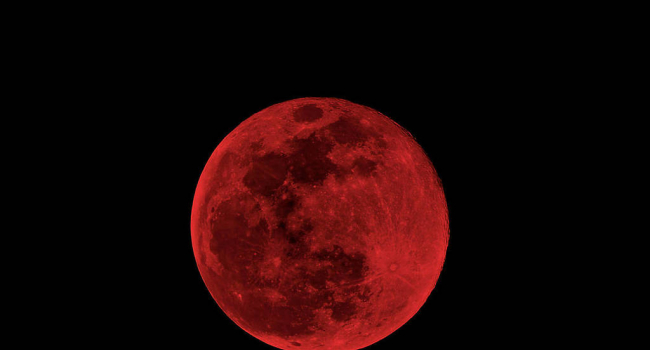
On March 3, 2026, viewers on the night side of Earth will witness a total lunar eclipse, during which the Moon will pass completely into Earth’s shadow and take on a reddish hue, earning it the nickname “Blood Moon.” The best viewing conditions will be in Australia, over the Pacific Ocean, and in the western half of North America. Although the eclipse is a global event, the local time varies: around midnight over the Pacific, late evening in Australia on March 3, and early morning on March 3 in the western United States.
You don’t need a perfectly dark horizon—lunar eclipses are visible even from cities. However, the darker the sky, the more striking the effect: during totality, the stars become so visible that the Milky Way, faint star clusters, and even distant galaxies can be seen. For the best experience, choose a location with a clear sky and minimal clouds. Based on data from Eclipsophile.com and TimeandDate.com, here are 10 top locations with a high chance of clear skies in March, from national parks and deserts to observatories.
- Grand Canyon, Arizona, USA
An International Dark Sky Park since 2015. Ideal spots along the South Rim include Mather Point, Hermit’s Rest, the Visitor Center, and overlooks along the Rim Trail. March weather is usually dry with minimal clouds. - Horsetooth Mountain Open Space, Colorado, USA
Hosted by the Northern Colorado Astronomical Society and NASA from 3:30–5:30 a.m. local time. Open terrain offers unobstructed views with very little light pollution. - Arkaroola Wilderness Sanctuary, South Australia
One of the most remote and dark corners of the Outback. A dark sky and wildlife sanctuary since 2012, with lodges and astronomy tours—perfect for late evening viewing on March 3. - Warrumbungle Dark Sky Park, New South Wales, Australia
Australia’s only dark sky park and the country’s “astronomy capital.” Nearby Siding Spring Observatory and Warrumbungle Observatory in Coonabarabran provide excellent viewing. Inland areas in March are often clear. - Saguaro National Park, Arizona, USA
The eastern section is ranked #9 globally as an Urban Night Sky Place. The Sonoran Desert provides spectacular horizons. Tucson is nearby, but the park itself offers much darker skies. Open 24/7. - Wairarapa Dark Sky Reserve, North Island, New Zealand
Features regulated lighting across the valley. Totality occurs shortly after midnight on March 3, and most areas are easily accessible for observation. - Anza-Borrego Desert State Park, California, USA
California’s largest state park and a dark sky park since 2018. Borrego Springs is a certified dark sky community. The Colorado Desert is usually dry and clear in March. - Big Island, Hawaii, USA
Eclipse nearly overhead, offering excellent views from almost anywhere. For maximum darkness, head to Mauna Kea (with many stargazing tours) or the southern/northeastern coastlines. - Joshua Tree National Park, California, USA
One of California’s most famous stargazing locations. Campgrounds should be reserved in advance at recreation.gov. Despite recent wildfires, independent observation is still possible. - Death Valley National Park, Nevada, USA
No closing hours and one of the darkest places in the U.S. Top photo spots: Zabriskie Point, Mesquite Flat Sand Dunes, Harmony Borax Works. March nights are typically dry and clear.
Viewing Tips
- Check the weather forecast 3–4 days ahead—March can be unpredictable.
- Use light pollution maps (Light Pollution Map, Dark Sky Finder) to find optimal spots.
- No telescope or binoculars are needed; the eclipse is visible to the naked eye. Binoculars can enhance detail.
- The next total lunar eclipse visible anywhere on Earth will be around New Year 2029.
In Brief
The total lunar eclipse (“Blood Moon”) on March 3, 2026, is best seen in Australia, over the Pacific, and western North America. Top 10 viewing spots with high odds of clear skies: Grand Canyon, Horsetooth Mountain, Arkaroola, Warrumbungle, Saguaro, Wairarapa, Anza-Borrego, Big Island (Hawaii), Joshua Tree, and Death Valley. Darker skies make stars and the Milky Way more visible during totality. The next similar eclipse won’t occur until late 2028–2029.