make preferable
In 2025, lithium-ion batteries still dominate smartphones and electric vehicles, but in the segment of stationary energy storage and specialized transport, sodium-ion (Na-ion) batteries are rapidly gaining ground. Let's examine why they are predicted to have a mass future and where they are already replacing familiar technologies.
Price is sodium’s main advantage
Lithium reserves are limited, while demand is growing exponentially. This makes lithium an expensive and geopolitically vulnerable raw material. Sodium, on the other hand, is everywhere: it is extracted from table salt and soda ash, and the cost of the raw material is tens of times lower. As a result, sodium-ion batteries are 40–45 percent cheaper than lithium ones and only 10–15 percent more expensive than lead-acid batteries. With mass production, the difference may become even more noticeable.
Safety and environmental impact: sodium wins decisively
Lithium-ion batteries remain the most fire-prone type. When damaged or overheated, they can enter thermal runaway and are extremely difficult to extinguish using conventional means. Sodium-ion batteries contain no flammable components. Even when punctured or short-circuited, they do not burn or explode. This is critically important for large energy storage systems, where a single incident can cost millions.
In terms of recycling, sodium batteries use the same technologies as lithium ones, such as pyrometallurgy or bioleaching, but the raw materials are less toxic and do not include scarce cobalt or nickel. Lead-acid batteries are also recycled well, but they contain aggressive sulfuric acid and heavy metals.
Performance characteristics: where sodium outperforms competitors
Sodium-ion batteries lag behind lithium in energy density, around 140–160 Wh/kg versus more than 250 Wh/kg. Because of this, they are not expected in smartphones or lightweight electric vehicles for now. However, they excel in other areas:
- Operating temperature range from –40 °C to +60 °C, while lithium batteries cannot be charged at subzero temperatures.
- Up to 3000–4000 full cycles, compared to about 500 for lead-acid and 4000 or more for the best lithium batteries.
- Fast charging, reaching 80 percent in 15–20 minutes, and the ability to deliver high current without overheating.
- Full discharge down to 0 V without degradation, which is convenient for long-term storage.
Where sodium is already winning
In 2025, sodium-ion batteries are being actively adopted in several areas:
- Chinese manufacturers such as CATL, HiNa Battery, and Farasis have launched gigafactories.
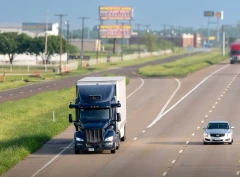
- Electric buses and low-speed transport, including golf carts and warehouse equipment.
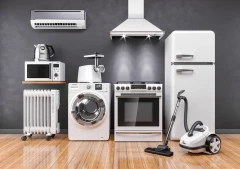
- Stationary energy storage systems, both home batteries and industrial ESS.
- Uninterruptible power supplies for data centers and telecom infrastructure.
CATL is already supplying sodium-ion batteries for Chery and JAC, while BYD has announced hybrid batteries that combine lithium and sodium in a single pack.
Outlook: when sodium becomes mainstream
According to BloombergNEF estimates, by 2030 the share of sodium-ion batteries in the energy storage market will reach 30 percent. In smartphones and premium electric vehicles, lithium will remain dominant for a long time. However, wherever price, safety, and cold-weather performance matter, sodium will displace both lead and lithium.
In brief
Sodium-ion batteries are a golden middle ground. They are about 40 percent cheaper than lithium batteries, significantly safer, perform well at subzero temperatures, and withstand thousands of cycles. They will not appear in gadgets yet due to lower energy density, but in electric transport, UPS systems, and stationary storage they are already actively capturing the market. In 5–7 years, sodium-ion technology will become the primary battery type wherever maximum compactness is not required, making it one of the most promising energy technologies of the coming decade.