make preferable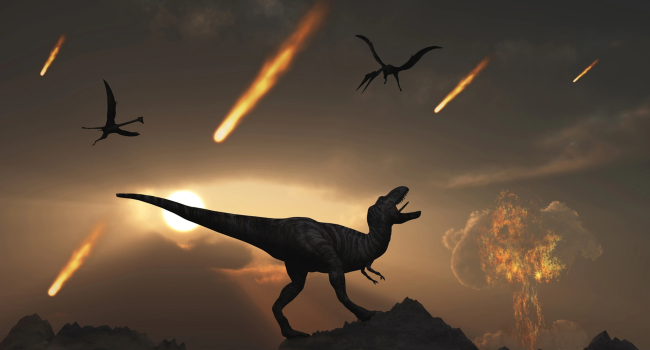
The Chicxulub asteroid, which wiped out the dinosaurs 66 million years ago, wasn’t just a harbinger of doom—it was also a creator. An international team of scientists from Japan, Spain, the U.S., and beyond has revealed that the crater it left in the Gulf of Mexico became a thriving oasis for marine ecosystems for 700,000 years. Published in Nature Communications (NatComms), this study flips the script on the aftermath of cataclysmic impacts.
Chicxulub: Disaster and Life’s Rebirth
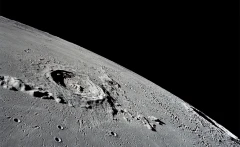
This 15-kilometer-wide asteroid slammed into what’s now Mexico’s Yucatán Peninsula, carving a 150-kilometer crater. The impact triggered a global mass extinction, erasing 75% of Earth’s species, including all non-avian dinosaurs. Firestorms, tsunamis, and atmospheric dust rendered the planet nearly uninhabitable for decades. Yet, at ground zero, a different story unfolded.
Researchers found that the Chicxulub crater became a rare haven where marine life didn’t just survive—it flourished. The secret? A potent hydrothermal system sparked by the collision. Molten rock beneath the crater turned into an “underground cauldron,” heating water to hundreds of degrees. These hot flows leached nutrients like phosphorus, sulfur, and the rare metal osmium from the asteroid debris, pumping them into the ocean and fostering a rich environment for microbes and complex organisms alike.
How Did It Work?
The crater’s hydrothermal activity mirrored today’s “black smokers”—deep-sea vents near volcanoes that host unique ecosystems. Analysis of sedimentary rocks showed that for 700,000 years post-impact, the site teemed with chemosynthetic bacteria, mollusks, and other extremophiles adapted to harsh conditions. “It was a genuine oasis amid chaos,” said lead author Honami Sato, an associate professor at Kyushu University.
While the global ocean struggled to recover from light and oxygen shortages, Chicxulub bucked the trend. As the hydrothermal system cooled after roughly 700,000 years, the ecosystem normalized, giving way to typical marine species of the era.
A Fresh Take on Catastrophes
This discovery reframes asteroid impacts in Earth’s history. “We’re used to seeing these events as purely destructive, but Chicxulub shows they can spark life,” Sato explained. Scientists liken it to forest fires that raze old growth but pave the way for new plants. Here, the disaster birthed a local “incubator” where evolution could tinker with fresh life forms.
It also hints at extraterrestrial possibilities. If asteroid strikes on Mars or Jupiter’s moons (like Europa) spawned similar hydrothermal zones, they might have cradled microbial life. Studying Chicxulub offers a blueprint for spotting life’s traces across the cosmos.
How Was the Crater Explored?
The team examined rock samples drilled in 2016 during the IODP-ICDP expedition, plunging over 1.3 kilometers into the crater’s past. Osmium isotopes and mineral traces confirmed hydrothermal activity persisted for hundreds of thousands of years, sustaining a unique ecosystem. This aligns with a 2021 Science study suggesting the crater may have been habitable soon after the impact.
What It Means for Science
Chicxulub is no longer just a tombstone for dinosaurs—it’s a testament to how disasters can kickstart evolutionary leaps. Researchers plan deeper dives to identify the oasis’s inhabitants and their role in broader life’s recovery. This could illuminate the shift from the Cretaceous to the Paleogene, an era when mammals—including human ancestors—began their rise.
The Bigger Picture
The asteroid that ended the dinosaurs doubled as an unlikely benefactor for marine life. For 700,000 years, the Chicxulub crater nourished ecosystems, standing out against the grim tapestry of extinction. It’s a reminder that even in destruction lies the seed of creation—on Earth and perhaps beyond. The key to life in the universe might just hide in the scars of ancient cataclysms.