make preferable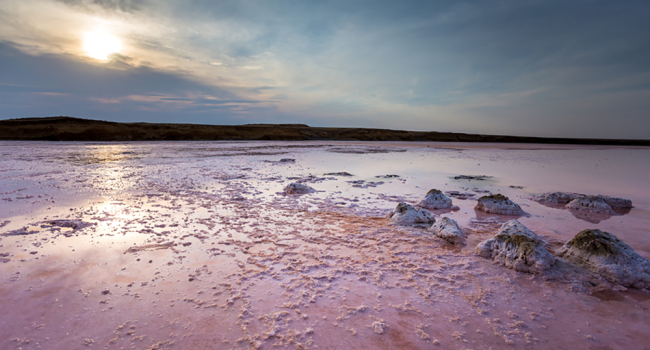
Phosphorus, a vital ingredient for life, has long puzzled scientists due to its scarcity in nature. How could life have sparked when phosphorus levels in natural environments were so low? An international team of researchers offers a compelling answer: large soda lakes might have been the primordial wellsprings of this essential element. Their findings appear in Science Advances.
Phosphorus’s Role in Life’s Origin
Phosphorus is a cornerstone of DNA, RNA, and ATP—the molecule powering cellular energy. Yet, kickstarting the chemical reactions that birthed the first living organisms required phosphorus concentrations thousands of times higher than what ancient water bodies typically held.
The Unique Nature of Soda Lakes
Soda lakes are highly alkaline bodies of water, with pH levels ranging from 9 to 12. Rich in carbonate salts like sodium carbonate, along with sodium chloride and other dissolved compounds, they create a chemical environment ripe for phosphorus accumulation.
Geochemist Craig Walton from ETH Zurich explains that large soda lakes without natural outflows could trap phosphorus over vast stretches of time. As water evaporated, phosphorus levels climbed, setting the stage for life’s emergence.
Why Large Lakes, Not Small Ones?
The study found that small lakes couldn’t sustain phosphorus buildup—their reserves depleted too quickly. In contrast, expansive lakes like California’s Mono Lake could amass enough phosphorus to fuel complex chemical reactions and nurture early microbes.
A New Hypothesis and Its Impact
This theory not only tackles the phosphorus scarcity riddle but also reframes how life might have begun. If soda lakes were indeed life’s cradle, it could reshape the hunt for biosignatures on other planets with similar conditions.
In shedding light on where and how life on Earth took root, this research edges us closer to solving one of humanity’s most profound mysteries.