make preferable
Volcanic activity provided early microorganisms with nitrogen, a critical element for life, according to British scientists from Northumbria University and their international colleagues who studied ancient stromatolites in Zimbabwe. Their findings, published in Nature Communications (NatComms), reveal that volcanoes played a pivotal role in the development of life on early Earth.
How Did Volcanoes Influence Evolution?
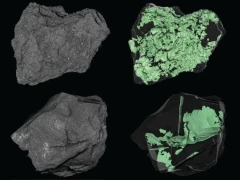
Stromatolites are layered fossilized structures formed by ancient microorganisms 2.75 billion years ago. Analysis of these rocks uncovered isotopic traces of nitrogen, pointing to high levels of ammonium—a form of nitrogen usable by living organisms.
Researchers propose that volcanic activity and hydrothermal vents supplied early oceans with this essential element. Ammonium then rose to the surface through upwelling (the upward movement of deep waters), creating ideal conditions for microbial growth.
This process may have been a crucial step in the evolution of Earth’s biosphere:
- Nitrogen became a vital resource for microorganisms, accelerating their development.
- It laid the groundwork for the subsequent rise in atmospheric oxygen levels.
Why Does This Matter?
The study’s authors note that volcanism was exceptionally intense 2.75 billion years ago, exerting a lasting impact on life’s evolution.
Understanding the role of volcanoes in life’s origins not only sheds light on how life emerged on Earth but also offers clues for identifying similar processes on other planets.