make preferable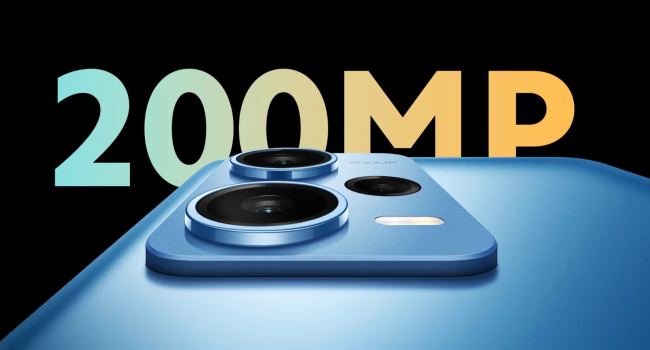
Not long ago, 200MP cameras seemed like a groundbreaking technological leap. Smartphones equipped with such sensors flooded the market, promising unparalleled photo detail. Yet, just a couple of years later, manufacturers have largely abandoned this technology, reverting to more conventional 50MP sensors. So, what went wrong?
Drawbacks of 200MP Cameras
On paper, 200MP cameras sound impressive, but in practice, they faced several challenges:
- Small Pixels. Smartphone sensor sizes are limited, and the more megapixels packed in, the smaller each pixel becomes. This reduces light sensitivity, degrading image quality in low-light conditions.
- Complex Image Processing. To compensate for tiny pixels, pixel binning (combining pixels) is used. In 50MP cameras, this process is relatively straightforward, but with 200MP sensors, it involves multiple stages, slowing down capture times and sometimes compromising photo quality.
- Focus and Dynamic Range Issues. Ultra-high-resolution cameras often struggle with fast-moving subjects and can produce images with limited dynamic range.
- Dependence on Ideal Lighting. In dim or challenging light, 200MP cameras frequently underperform compared to simpler 50MP modules.
As a result, manufacturers stepped back from the megapixel race, opting for more balanced solutions. However, one major player continues to stick with this standard.
Why Does Samsung Remain Loyal to 200MP Cameras?
Korean giant Samsung continues to equip its flagship Galaxy Ultra models with 200MP sensors. The reasons lie in marketing and the capabilities of their proprietary sensors:
- Superior Digital Zoom. Pairing a 200MP sensor with in-sensor zoom allows for 2–3x magnification shots without significant quality loss.
- Powerful Post-Processing. Samsung’s flagship smartphones leverage advanced software algorithms to enhance photos, offsetting the shortcomings of large sensors.
The Future of 200MP Cameras
Despite their declining popularity, 200MP cameras might still find a niche. For instance, they could shine not as primary cameras but in telephoto lenses. Combining optical zoom with digital zoom based on a 200MP sensor could yield high-quality shots at long distances.
However, for everyday photography, 50MP sensors remain the more balanced choice—which is why most manufacturers are favoring them today.