make preferable
Most likely, there will be no need for employees weighing products in the stores of the future. A team of researchers from the Skolkovo Scientific and Technical Institute and other organizations presented a method of recognizing products on scales using artificial intelligence.
A study published in the journal IEEE Access could revolutionize the way stores work and self-service. Their new development, known as PseudoAugment, promises to make it easier and faster to train neural networks, especially when the store is receiving new types of products.
The problem of accurate recognition of products in stores is quite relevant today. Differentiating between similar types of fruit or vegetable can be difficult, and the emergence of new types of products only exacerbates the problem. When the product range is expanded with new products, traditional computer vision systems require training, which takes a lot of time and effort, as large amounts of data must be collected and labeled.
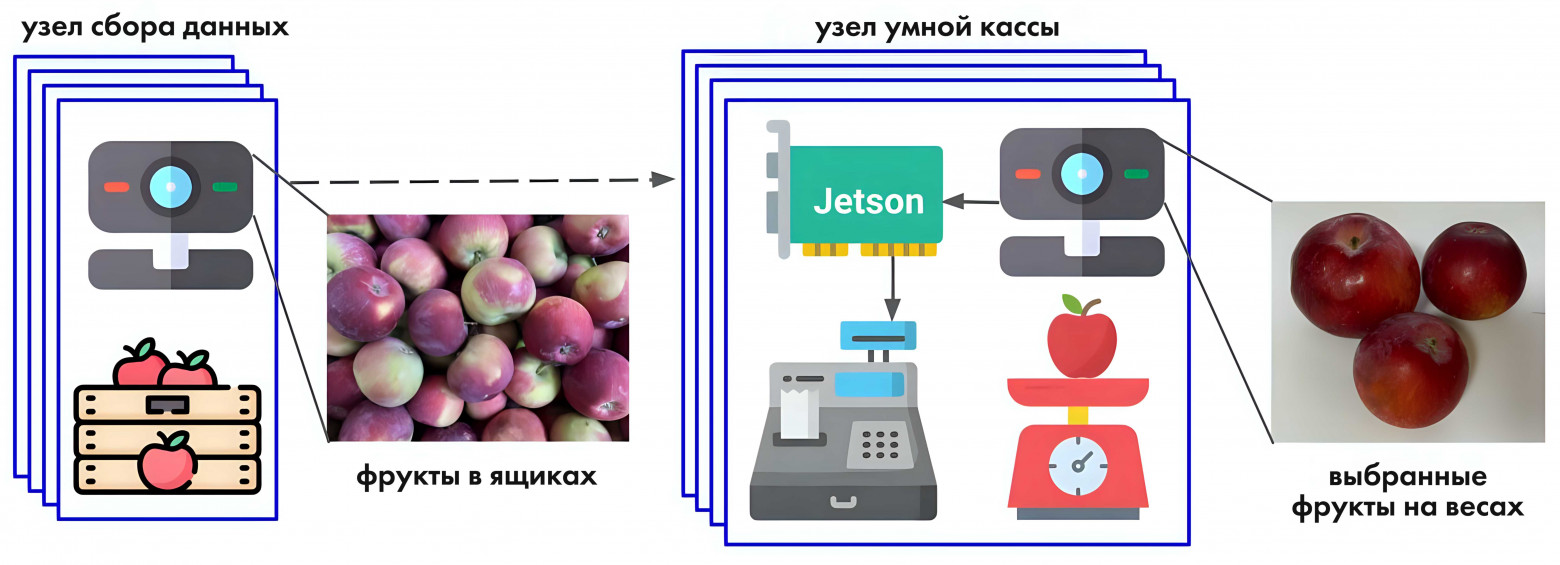
PseudoAugment's approach makes it possible to configure neural networks so that they can work with new classes of products without the lengthy process of data collection and labeling. The essence of the method is that it is enough to use a few photos of the new product to train it. The algorithm then extracts the objects from those photos, filling them with synthesized images. This allows you to significantly speed up the process of learning and getting to know new products.
According to the developers, compared to traditional learning methods, this one minimizes the degradation of the quality of the recognition process when new product classes are added. A loss of quality is still possible when introducing many new classes, but the important thing is that the system can only be trained once every few weeks. This means that the new technology will quickly adapt to the appearance of new products in stores.
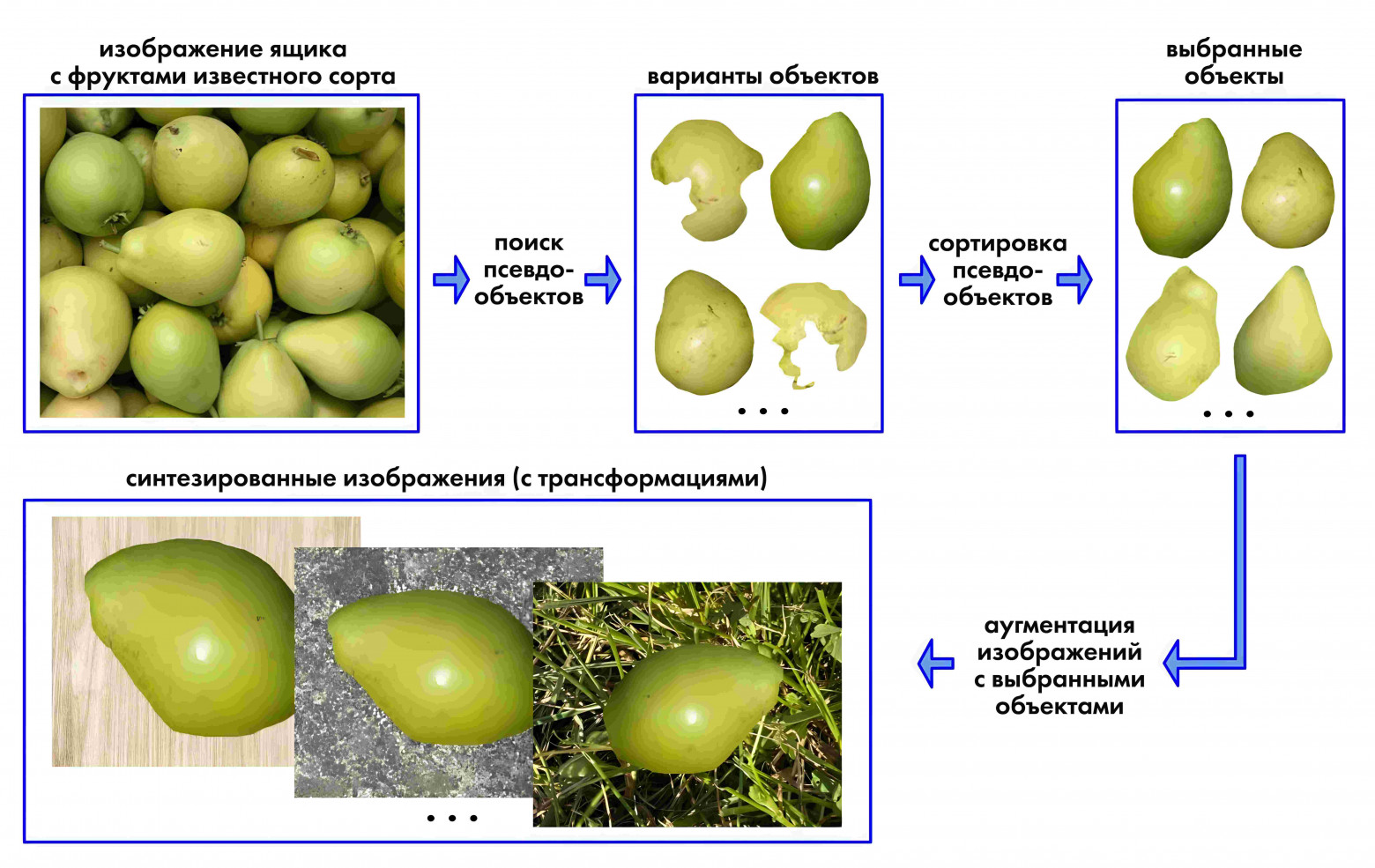
The process of retraining, known as image augmentation, is becoming an important component in the world of artificial intelligence. It involves adding synthetic elements to existing data and transforming it, such as rotating images, changing brightness, and adding noise. These transformations enrich the dataset the model works with and make it more robust.
The creators of this innovative method believe that it makes an important contribution to the development of a data-centric approach. In addition to stores, the method can be successfully applied to the preparation of recognition systems for homogeneous objects such as seeds or solid household waste on assembly lines.