make preferable
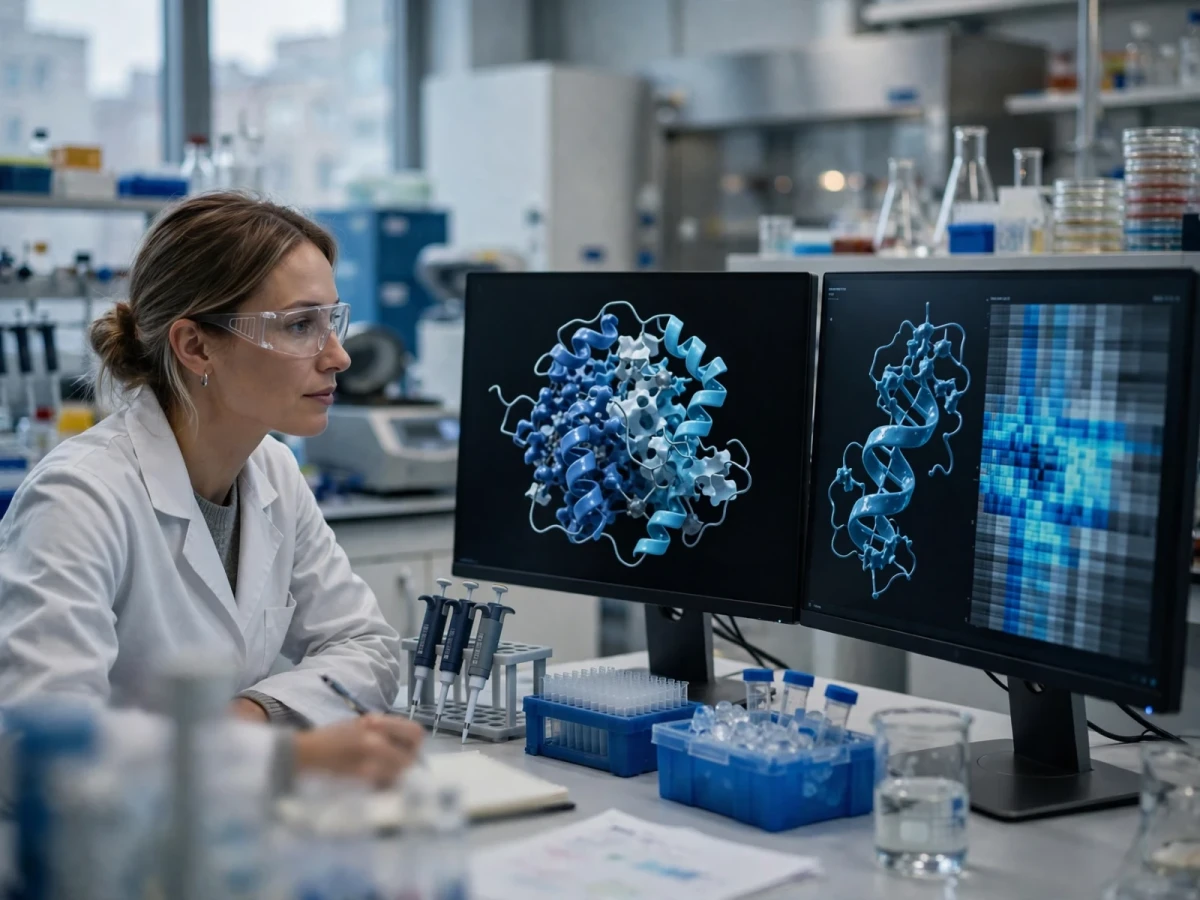
OpenAI has acquired Orchestra Bio, a four-year-old startup that develops artificial intelligence-based software for biotechnology companies. Orchestra’s team and technology will help advance Rosalind, OpenAI’s model for scientific research in biology and medicine, as well as the related Rosalind Workbench tool. The financial terms of the deal were not disclosed.
Orchestra Bio creates AI agents to manage day-to-day processes in drug development. They help companies track financial metrics, address clinical trial scheduling issues, and coordinate other organizational tasks that accompany scientific work.
OpenAI expands Rosalind’s capabilities
Following the deal, Orchestra Bio’s specialists and technology will join the team working on Rosalind. This model is designed for research in the life sciences. Alongside it, OpenAI is developing Rosalind Workbench, a tool that helps researchers plan experiments and analyze results.
OpenAI has already brought major pharmaceutical market players on board to work with Rosalind. The company names Moderna and Novo Nordisk among its clients.
The acquisition of Orchestra will allow OpenAI to strengthen not only the research capabilities of its AI tools, but also their practical application in biotechnology companies, where scientific tasks are closely tied to financial planning, team coordination, and trial management.
Startup raised about $20 million before the sale
The terms of the deal were not announced. According to industry publication BiotechTV, by 2025 Orchestra Bio had raised about $20 million in investment. Its investors included venture capital firms Andreessen Horowitz, Atria, and 8VC.
The purchase fits into a broader trend: the largest AI developers, including OpenAI and Anthropic, are creating specialized software products for major sectors of the economy, including pharmaceuticals. This increases pressure on independent startups: large AI companies have the resources to quickly add new features and enter markets where smaller developers are already operating.
In Orchestra Bio’s case, OpenAI chose not to compete with the startup directly, but to integrate its team and technology into its own business. The deal shows how specialized developments can become part of larger platforms for scientific research.