make preferable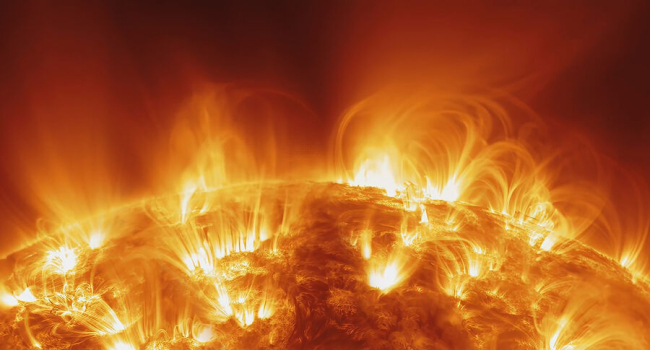
The Laboratory of Solar Astronomy at the Space Research Institute of the Russian Academy of Sciences has recorded the strongest solar flare of August. The event registered a magnitude of M1.88, marking the second M-class flare within 24 hours. While the flare is far from a record-breaker, it stands out against the backdrop of a quiet summer Sun and the overall decline in solar activity .
What happened
Scientists recorded an M1.88-class flare. In global catalogues, it will likely be listed as M1.8—by convention, the value is rounded down to the lower boundary. This is already the second M-class flare in the past day, making the event particularly notable .
The explosion originated from active region 4513, which only yesterday rotated onto the Earth-facing side of the Sun from the far side. The region is not yet depleted of energy, although its reserves are expected to last for only another day or two, and no X-class flares are currently anticipated .
Specialists note that against a relatively quiet period, solar activity rose noticeably on this day. Summer months are generally characterised by fewer powerful flares, so even a mid-range M-class event has drawn the attention of observers.
Context of solar activity
In July, the Sun had already surprised scientists with activity. The IKI RAS laboratory then recorded 24 C-class or higher flares in a single day—a two‑year record for the number of events . The current M1.88 flare continues a run of relatively active days, although the overall trend still indicates a gradual decline in the cycle.
How this may affect Earth
Powerful flares can sometimes trigger magnetic storms. Physicians advise that during such periods, it is particularly important to pay attention to lifestyle: reduce the intensity of physical activity, replace active sports with gentle walks, avoid overeating, and rest more often. These simple measures help the body cope more easily with possible geomagnetic disturbances .
In brief
The Sun has produced the most powerful flare of August—M1.88 (to be recorded as M1.8). This is already the second M-class event in 24 hours. While the flare is not record-breaking, it stands out against the quiet summer and the overall decline in solar activity. Scientists continue to monitor the star, and doctors advise taking extra care of your health on such days.