make preferable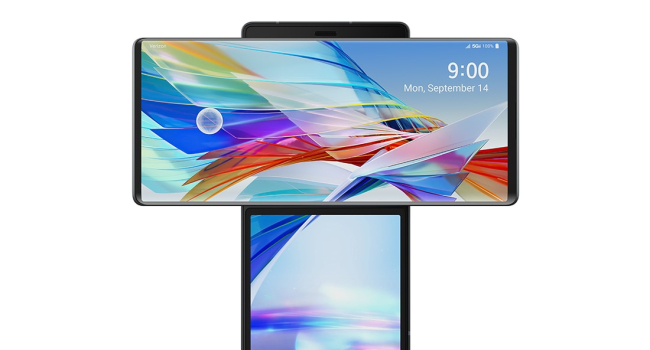
When the first Android smartphone — the HTC Dream (known in the US as the T-Mobile G1) — was released in 2008, the mobile device market was just beginning to take shape. The iPhone was still new, many people were still using Windows Mobile, and manufacturers were actively experimenting. It was then that Android became a true playground for wild ideas. Some of these ideas look so unusual today that they seem almost like science fiction.
Here are five truly strange Android phones that left a notable mark on the platform's history.
LG Wing 5G — smartphone with a rotating screen
In 2020, LG released perhaps one of the boldest experiments of recent years — the LG Wing 5G. The device's main feature is a top screen that rotates horizontally, revealing a second display beneath it. The idea was to provide convenience for content creators: simultaneously shooting footage while watching comments, playing a game while reading a guide, or working with two apps at once.
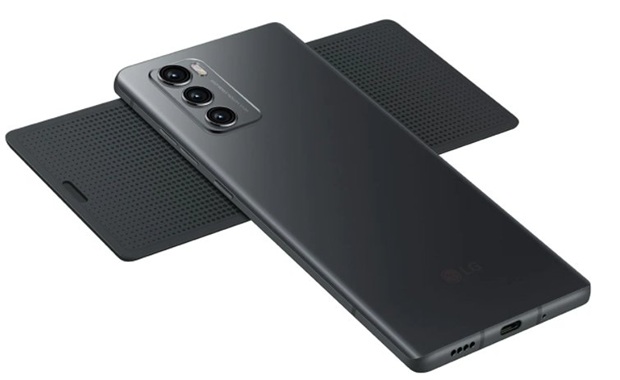
The smartphone featured a motorized pop-up camera module and a rather unusual design that ran counter to trends. Unfortunately, sales were modest, and after LG exited the mobile device market, the handset quickly lost support. Nevertheless, the LG Wing remains one of the most original Android phones of the modern era.
BlackBerry Passport — square "brick" with a keyboard
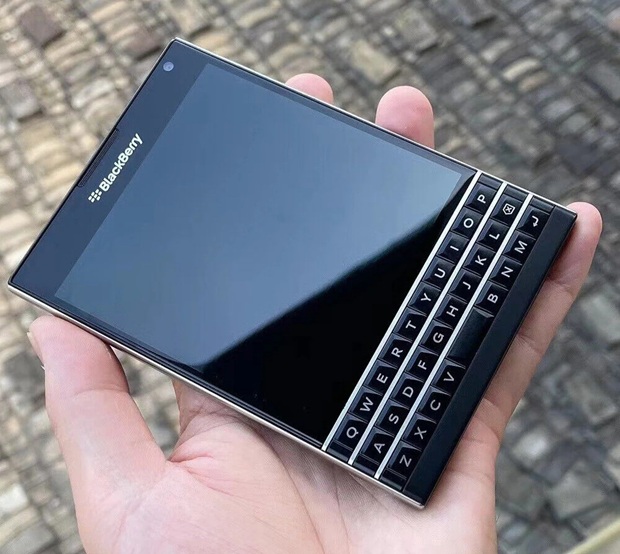
In 2015, BlackBerry, trying to stay afloat, released the Passport — a device with an unusual square form factor. The smartphone combined a physical keyboard (just three rows of keys) with a 4.5-inch touchscreen. To compensate for the missing keys, developers had to use software solutions, which made typing not always convenient.
The Passport was an attempt to merge the classic BlackBerry experience with Android capabilities (via an emulator). Although the model never became a mass-market hit, it remains a vivid example of how the company tried to find its niche in a changing world.
Amazon Fire Phone — the phone that was always watching you
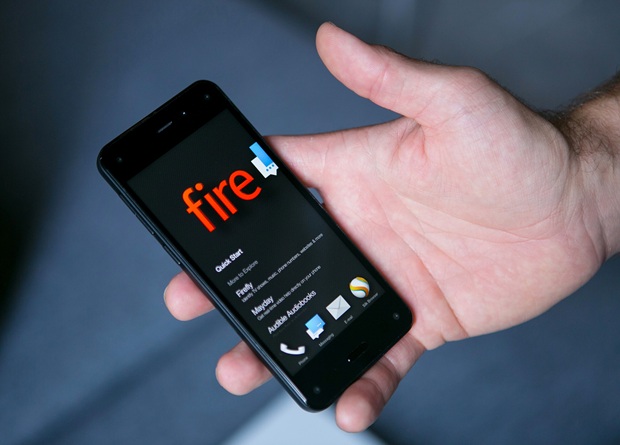
In 2014, Amazon decided to enter the smartphone market and released the Fire Phone. The main feature was a 3D display system that used four front-facing cameras. The phone tracked the user's eye movement and created a stereoscopic image effect.
The idea seemed promising after the success of the Nintendo 3DS, but in practice, it flopped. Buyers were put off by the high price, the lack of full Google services, and the feeling that the phone was "constantly watching" them. Of the 300,000 units produced, only about 35,000 were sold in the first few weeks. Amazon suffered huge losses.
Samsung Galaxy Beam i8530 — smartphone with a projector
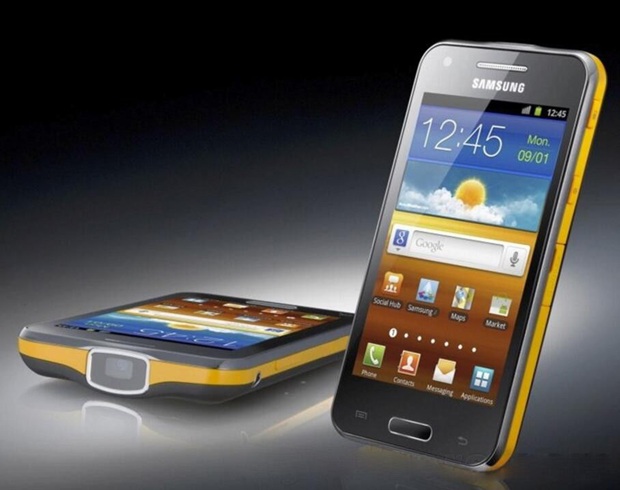
In 2012, Samsung released the Galaxy Beam i8530 — a smartphone with a built-in projector. The idea was simple and enticing: you could project an image onto a wall or screen at any moment. However, the projector's brightness was only 15 lumens, making it nearly useless in daylight.
Despite the interesting concept, the model did not find a wide audience. Samsung even released a couple of subsequent versions, but they all remained niche products. The Galaxy Beam remains one of the company's most unusual experiments to this day.
Motorola Backflip — a smartphone you could use as a picture frame
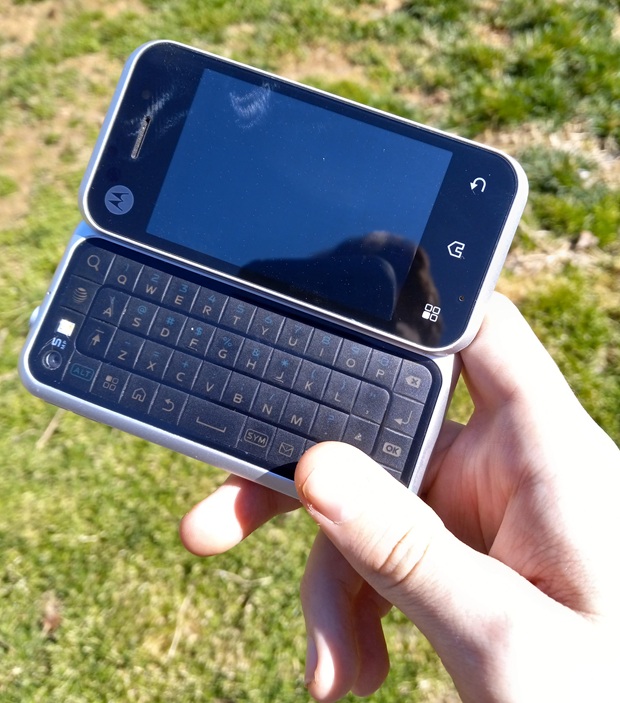
The Motorola Backflip, released in 2010, was memorable for its unusual mechanism. When the keyboard was slid out, the screen could be tilted backward, turning the phone into a sort of stand. In this position, it could be used as a digital picture frame for photos or a bedside clock.
However, the design had serious drawbacks: the keyboard remained exposed and was quickly scratched. The smartphone received only one update and soon disappeared from the market. The Backflip became a classic example of how an interesting "gimmick" does not always guarantee success.
In brief
The early years of Android were a true era of experimentation. The LG Wing with its rotating screen, the square BlackBerry Passport, the Amazon Fire Phone with 3D cameras, the Samsung Galaxy Beam with a built-in projector, and the Motorola Backflip with its tilting screen — all of these devices look very strange today, but they show just how free and creative the platform was in its early days. Many of these models never became popular, but they remain a colorful part of Android's history.