make preferable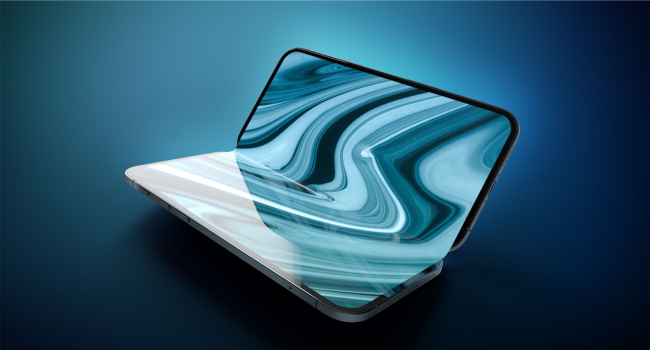
The first foldable iPhone, expected to launch in the fall of 2026, could lose a significant portion of its value within the first year after purchase. According to research by analysts at SellCell, the device could depreciate by as much as $1,292 on the secondary market.
SellCell research data
SellCell analysts studied the price dynamics of flagship smartphones from Apple, Samsung, Google, Motorola, and OnePlus over 12 months. The results showed that foldable smartphones lose an average of 64.6% of their value per year — the worst performance among all categories. For comparison, traditional smartphones depreciate by 55.3%.
In monetary terms, owners of foldable devices lose an average of $997.69, while owners of traditional models lose $605.32. Foldable smartphones retain only 35.4% of their original price, whereas regular models retain 44.7%.
Forecast for the iPhone Ultra
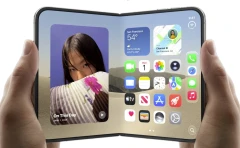
According to rumors, the foldable iPhone will be called the iPhone Ultra and will cost around $2,000. If the new device follows the general trend of foldable devices, its secondary market value could drop to approximately $708 after one year. This would mean a loss of about $1,292 over the first 12 months.
However, Apple has traditionally strong residual value retention. The iPhone 16 lineup retained an average of 51.5% of its original price one year after release — the best result among all major manufacturers. For comparison: OnePlus at 46.8%, Google at 40.8%, Samsung at 39.5%, and Motorola at 24.5%.
If the foldable iPhone demonstrates similar retention to the iPhone 16, its price after one year could be around $1,030. Even in this optimistic scenario, the owner would lose over $1,000.
For reference: the base iPhone 16 model retained 51.4% of its value, while the 256 GB iPhone 16 Pro Max retained 56.4%. Nevertheless, even with these figures, the loss on a $2,000 device would exceed $1,000 in the first year.
Why foldable devices depreciate faster
Experts note that the higher initial price of foldable smartphones, combined with the novelty of the technology and potential concerns about the reliability of the hinge and screen, leads to accelerated depreciation on the secondary market. Despite its reputation, Apple is unlikely to fully escape this trend, although it may be able to mitigate losses compared to competitors.
In brief
According to SellCell's analysis, the first foldable iPhone (expected in fall 2026 under the name iPhone Ultra) at a price of around $2,000 could lose up to $1,292 in value during its first year on the secondary market. Foldable devices depreciate by an average of 64.6%, significantly faster than traditional smartphones. Although Apple traditionally retains value better (the iPhone 16 held 51.5%), even in the best case, losses would exceed $1,000. This could be an important factor for those planning to upgrade their device frequently.