make preferable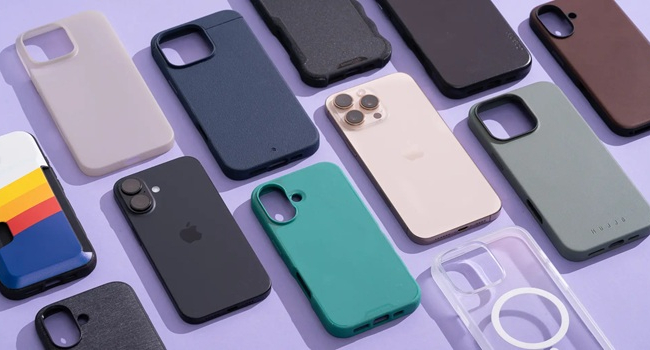
In hot weather, a familiar protective phone case can turn from a friend into an enemy of your smartphone. It significantly worsens heat dissipation and contributes to additional overheating, accelerating battery wear.
This was explained in an interview with RT by Evgeny Vishnevsky, an expert with the National Technology Initiative (NTI) in new materials and technologies.
How a case increases overheating
Vishnevsky warned that a case does not directly damage a battery on its own, but regular overheating accelerates battery degradation and is generally harmful to the device.
According to him, the problem becomes especially noticeable when the phone is exposed to several stress factors at once:
- direct sunlight;
- charging;
- heavy workloads such as video recording, gaming, or navigation in hot weather.
Under such conditions, a tight-fitting case — especially a silicone or thick plastic one — acts like thermal insulation, trapping heat and preventing it from dissipating properly.
What experts recommend
Vishnevsky advises switching to a thin case during summer heat or abandoning extra protection altogether. If the phone becomes very hot, it is better to remove it from the case and keep it away from direct sunlight, for example in the shade or inside a bag.
Earlier, Alexey Yurasov, professor at the Department of Nanoelectronics at MIREA – Russian Technological University, also pointed out another potential issue when several gadgets — such as a smartphone, laptop, smartwatch, and earbuds — operate simultaneously. According to him, electromagnetic waves from devices can combine and create parasitic signals. However, in hot weather, overheating remains the primary concern.
In brief
A thick smartphone case in hot weather significantly reduces heat dissipation and increases device temperatures, which accelerates battery wear. Expert Evgeny Vishnevsky recommends using thinner cases or removing them entirely during hot conditions, especially while charging, gaming, or using the phone in direct sunlight. Regular overheating is considered one of the main “silent killers” of modern smartphones.