make preferable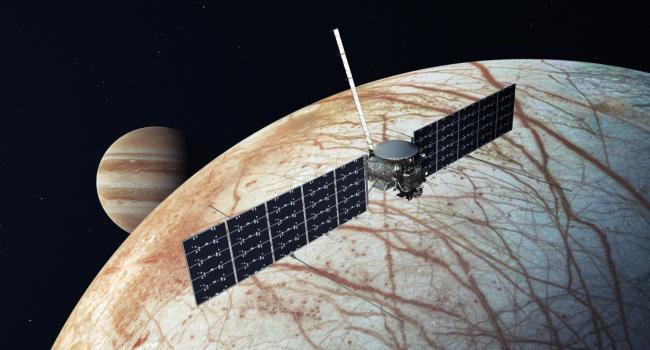
Astrobiologists have developed a promising new approach to the search for extraterrestrial life. Instead of simply looking for individual biomolecules, they suggest analyzing how these molecules are organized — specifically their diversity and how evenly they are distributed. The method could significantly improve the efficiency of life-detection efforts and help distinguish biological origins from non-biological chemistry.
The study was published on May 11 in the journal Nature Astronomy, Space.com reports.
How the new method works
Life produces and uses a wide range of organic compounds, including amino acids, peptides, fatty acids, and others. Their presence is often considered a potential biosignature. However, many of these compounds can also form without life through ordinary chemical processes, which creates a major challenge in astrobiology.
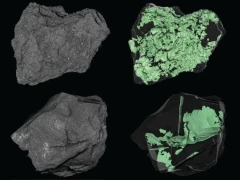
A team of researchers led by Gideon Yoffe of the Weizmann Institute of Science in Israel, with participation from Fabian Klenner at the University of California, Riverside, applied an ecological framework to the problem. They analyzed around 100 datasets from meteorites, asteroids, microbes, soils, and laboratory synthetic samples.
The results were notable:
Amino acids produced by living organisms showed higher diversity and a more even distribution.
Fatty acids, by contrast, were less diverse and less evenly distributed in biological samples.
According to Fabian Klenner, the approach could make the search for life more efficient by allowing scientists to deprioritize samples that do not show signs of life-like molecular organization.
Advantages of the method
One important advantage is that the method can work even with heavily degraded samples. Organizational patterns can persist in fossils, including dinosaur eggs. This is particularly useful for Mars, where scientists are searching for signs of ancient life.
Where the new approach could be used
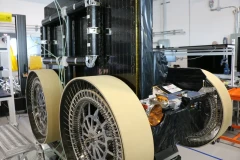
One of the most promising targets is Jupiter’s moon Europa, which is believed to hide a global ocean of liquid water beneath its icy crust. NASA’s Europa Clipper, currently en route to Jupiter with an expected arrival in 2031, carries an instrument called the Surface Dust Analyzer. It will be able to analyze organic molecules in ice grains ejected from Europa’s surface.
Klenner noted that if families of organic molecules are detected, the diversity-based method could help determine whether they resemble abiotic chemistry or biological organization.
Limitations
The method has so far been tested only on amino acids and fatty acids. It still needs to be validated for other classes of molecules. It also requires broad contextual datasets involving many related compounds to produce reliable conclusions. As a result, it cannot currently be applied to isolated detections such as a single molecule like dimethyl sulfide observed in the atmosphere of the exoplanet K2-18b.
In brief
Scientists have proposed a new strategy for detecting extraterrestrial life: analyzing not just the presence of biomolecules, but their organization — diversity and distribution patterns. Biologically produced amino acids tend to be more diverse, while fatty acids are less so. The method works even on ancient and degraded samples and could be applied on Mars and Europa using NASA’s Europa Clipper mission. The study was published in Nature Astronomy.