make preferable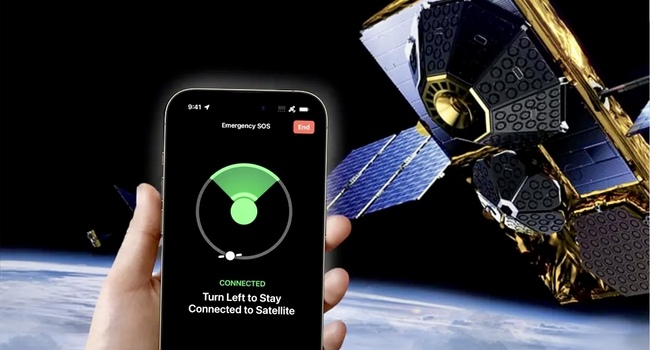
By 2030, almost every second smartphone in the world will support satellite connectivity, according to a report published Wednesday by Counterpoint Research. This indicates the rapid development of a technology that, just four years ago, remained a niche feature of premium devices.
According to the analytical firm's forecast, by the end of the decade, the share of smartphones supporting non-geostationary (NTN) networks will account for 46% of global shipments. Flagship devices from Apple, Samsung, Google, and Huawei will be the driving force behind this growth. The study's results demonstrate both the dynamics of the technology's evolution and the hurdles that still need to be overcome before it becomes a standard feature across all price categories.
Apple Leads, but Android is Catching Up
According to Counterpoint’s Senior Analyst Soumen Mandal, Apple paved the way for mass-market satellite connectivity in smartphones through its partnership with Globalstar for the iPhone 14 in 2022 and remains the leading manufacturer in shipments of NTN-enabled devices. More than 10 brands already offer this feature—a testament to the rapid spread of the technology within the industry since Apple’s pioneering move.
Samsung holds a leading position in the Android ecosystem: the company has expanded satellite support to the Galaxy S26 series and selected Galaxy A models through partnerships with Starlink and operators in Europe and Japan. Other Android manufacturers—Xiaomi, OPPO, HONOR, and vivo—are aligning with 3GPP NTN standards for broader compatibility, while Apple, Huawei, and Google have chosen proprietary approaches relying on dedicated satellite partners.
In the chipset segment among Android players, Qualcomm leads with its Snapdragon X80 and X85 modems, while MediaTek is advancing NTN integration through its MT6825 5G-supported system-on-chip, reports Counterpoint Senior Analyst Shivani Parashar.