make preferable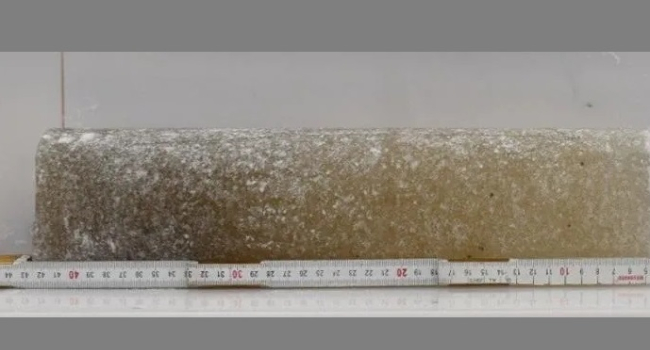
Antarctica is not just an attractive destination for tourists and penguins but a true time machine preserving climate secrets millions of years old. Researchers from the Center for Oldest Ice Exploration (COLDEX) drilled ice cores in East Antarctica that are 6 million years old — the oldest ever directly dated. In the air bubbles and water molecules, they observed a warm Pliocene Earth with high sea levels and recorded a long-term cooling trend. The results were published on October 28, 2025, in Proceedings of the National Academy of Sciences.
Discovery in the Allan Hills
The sample was extracted in the Allan Hills region, where the terrain brings ancient ice closer to the surface. The project was led by Sarah Shackleton of the Woods Hole Oceanographic Institution and John Higgins of Princeton University. Initially, the team expected to find ice up to 3 million years old, but the results turned out to be twice as old as predicted.
Ed Brook, director of COLDEX and a paleoclimatologist at Oregon State University, said that the team had created a “library of climate snapshots” six times older than any previous data from ice cores, complementing detailed records from central Antarctica.
How the Ice Was Dated and What It Revealed
The age was determined from argon isotopes trapped in the air bubbles within the ice. Analysis of oxygen isotopes in the water itself showed that during the Pliocene, Earth cooled by about 12°C (22°F) over millions of years. At that time, the planet was warmer than it is today, and sea levels were tens of meters higher.
This represents the first direct evidence of long-term cooling during the transition from the warm Pliocene to the glacial Pleistocene. Previous conclusions of this kind were based only on indirect data such as sediments and fossils.
What Comes Next: Gases, Oceans, and New Drilling
The team plans to continue analyzing the samples by measuring greenhouse gas concentrations (CO₂ and CH₄) and reconstructing the ocean’s heat content. This will help reveal how Earth responded to natural climate changes — a valuable lesson for today’s anthropogenic warming.
Between 2026 and 2031, COLDEX will return to the Allan Hills with an expanded drilling program. Brook noted that, given the incredible age of the ice, the team intends to extend the climatic record even further back in time.
In Brief…
Scientists have found 6-million-year-old ice in Antarctica — the oldest ever dated. It contains air from the Pliocene, when Earth was warmer and sea levels were higher before the planet cooled by 12°C. The discovery from Allan Hills enriches the climate record and will help model future changes. COLDEX will return for more ancient cores between 2026 and 2031.