




 make preferable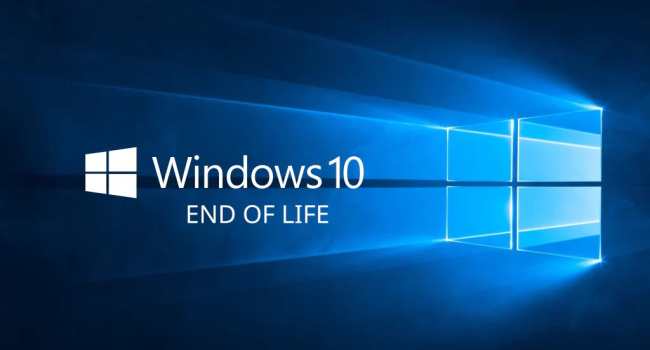
Lawrence Klein, a resident of Southern California, has filed a lawsuit against Microsoft in the Superior Court of San Diego County, challenging the company’s decision to end support for Windows 10 in October 2025. The plaintiff claims the move is intended to force users to purchase new devices capable of running Windows 11 and its AI tools, such as Copilot. The news was reported by Tom’s Hardware. Here’s what the case is about, the potential consequences for Microsoft, and why the outcome remains uncertain.
Essence of the Lawsuit
Lawrence Klein, the owner of two Windows 10 laptops, believes Microsoft is using the end of support as a strategy to push new hardware optimized for Windows 11 and its AI features, including the Copilot chatbot. His main arguments:
- Mandatory Windows 11 Requirements: Although a free upgrade to Windows 11 is offered, millions of devices cannot install it due to the lack of a Trusted Platform Module (TPM) 2.0 chip. Microsoft insists this is a mandatory requirement for all future OS versions, rendering many existing PCs ineligible for upgrade.
- Financial Barriers: Windows 10 users are offered extended security updates for $30 per year if they have a Microsoft account. However, the mandatory account requirement for Windows 11 deters some users.
- Environmental Impact: Klein cites analysts’ estimates that ending Windows 10 support could result in the disposal of 240 million PCs, creating an enormous amount of electronic waste.
Klein is asking the court to require Microsoft to continue free Windows 10 support until its market share falls below 10% of all Windows devices. According to StatCounter, as of August 2025, Windows 10 still holds about 43% of the Windows market, despite the release of Windows 11 four years ago.
Potential Consequences
If the court rules in Klein’s favor, it could:
- Increase Microsoft’s Costs: Extending free Windows 10 support would require additional resources for security update development and technical support.
- Delay Transition to Windows 11: A legal order could slow migration to the new OS, as Windows 11 has only recently surpassed Windows 10 in popularity.
- Set a Legal Precedent: A successful case could inspire similar lawsuits against companies for “planned obsolescence.”
However, experts note that the case is unlikely to be resolved before October 14, 2025 — the date when Windows 10 support officially ends. With vast legal and financial resources, Microsoft is expected to challenge any unfavorable ruling, potentially all the way to the U.S. Supreme Court. As Tom’s Hardware points out, the company will likely use its “armies of lawyers” to protect its interests.
Technical Aspects
Released in 2015, Windows 10 will stop receiving security updates after October 14, 2025, making it vulnerable to cyberattacks. Users have a few options:
- Extend Support: Microsoft offers Extended Security Updates (ESU) until October 2026 for $30 per year.
- Bypass TPM 2.0 Requirements: Unofficial methods exist to install Windows 11 on unsupported hardware, but these remove official support and may cause driver issues.
- Switch to Alternatives: Some users, as Tom’s Hardware notes, are considering switching to Linux (e.g., Ubuntu) or macOS to avoid buying new hardware.
In his lawsuit, Klein stresses that Microsoft was aware of the data security risks — especially for businesses handling confidential information — but chose to end support regardless.
Bottom Line
Lawrence Klein’s lawsuit against Microsoft in San Diego’s Superior Court raises important questions about planned obsolescence, environmental impact, and user rights. While his demand — to keep Windows 10 free support going until its share drops below 10% — might resonate with millions of users, the chances of success are slim due to the tight timeline and Microsoft’s legal muscle. Nevertheless, the case underscores ongoing tensions between tech companies and their customers in an era of rapid software turnover. Keep an eye on developments to see whether Klein can influence Microsoft’s policies and extend the life of Windows 10.