make preferable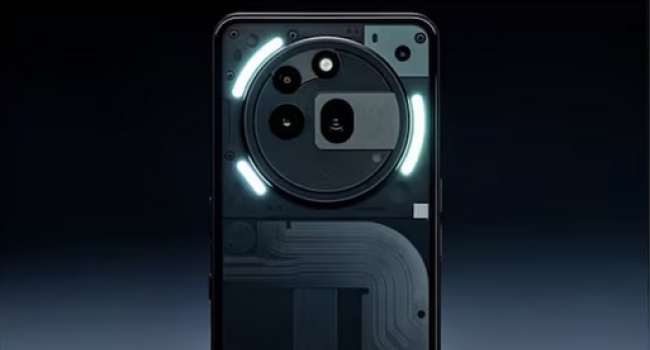
Mid-range smartphones in 2025 have reached new heights, offering flagship-grade cameras, powerful performance, and sleek designs at affordable prices. For those who love capturing photos and videos but don’t want to splurge, the Xiaomi 14T, Nothing Phone 3(a), and Honor 200 are standout choices. Here’s why these camera phones lead the pack, along with a detailed comparison of their key features.
1. Xiaomi 14T: The People’s Flagship with Leica Cameras
The Xiaomi 14T is a mid-range superstar, blending power, endurance, and exceptional cameras. This sub-flagship excels in versatility, making it perfect for photography, gaming, and everyday use.
- Cameras: Triple setup (50 MP main with f/1.7 and OIS, 50 MP ultrawide, 12 MP telephoto with 2x zoom), enhanced by Leica processing. It delivers vibrant shots even in low light, thanks to improved light sensitivity and Ultra HDR. The 32 MP front camera is great for selfies and 4K video.
- Display: 6.67-inch AMOLED, 1.5K resolution, 144 Hz, 4,000 nits, Dolby Vision, HDR10+. Bright, smooth, and readable in direct sunlight.
- Performance: MediaTek Dimensity 8300 Ultra + 12 GB LPDDR5X RAM. Runs Genshin Impact on max settings without overheating.
- Battery: 5,000 mAh, 67W charging (full charge in 45 minutes). Lasts a full day of heavy use.
- Extras: IP68 water/dust resistance, stereo speakers, NFC, IR blaster, HyperOS 2 with AI features.
- Price: From $550 (12/256 GB). Pros: Leica-tuned cameras, top-tier display, IP68 protection, fast charging.
Cons: No wireless charging, HyperOS notifications can be intrusive.
Best for: Gamers, amateur photographers, and anyone seeking a near-flagship experience at half the price.
2. Nothing Phone 3(a): Stylish Newcomer with Glyph Lighting
The Nothing Phone 3(a) is a go-to for those who value unique design and balanced specs. Its transparent body and Glyph Interface LEDs make it a mid-range showstopper, while its cameras hold their own against rivals.
- Cameras: Triple setup (50 MP main with f/1.8 and OIS, 50 MP ultrawide, 8 MP telephoto with 2x zoom). Captures sharp daytime shots and performs well at night. The 32 MP front camera excels for selfies. Glyph lighting aids low-light shooting.
- Display: 6.77-inch AMOLED, Full HD+, 120 Hz, 3,000 nits, HDR10+. Vibrant and smooth, ideal for videos and gaming.
- Performance: Snapdragon 7s Gen 3 + up to 12 GB RAM. Handles daily tasks and gaming on medium-high settings with ease.
- Battery: 5,000 mAh, 50W charging (~50 minutes to 100%). Lasts a day with active use.
- Extras: IP64 protection, NFC, stereo speakers, Android 15 with minimalist Nothing OS.
- Price: From $379 (8/256 GB). Pros: Eye-catching design, clean Android, solid cameras, budget-friendly price.
Cons: Only IP64 protection, telephoto lens (8 MP) is underwhelming.
Best for: Style-conscious users and budget buyers who want to stand out without overspending.
3. Honor 200: Portrait Master with Lightning-Fast Charging
The Honor 200 is one of 2025’s most well-rounded smartphones, especially for portrait photography fans. Its cameras, enhanced by Studio Harcourt AI, produce stunning shots, and its 120W charging is among the fastest in its class.
- Cameras: Triple setup (50 MP main with f/1.9 and OIS, 50 MP telephoto with 2.5x zoom and OIS, 12 MP ultrawide). The AI-driven portrait mode, tuned with Studio Harcourt, delivers studio-quality photos. The 50 MP front camera is a selfie champ. Records detailed 4K video.
- Display: 6.7-inch AMOLED, 1.5K resolution, 120 Hz, 4,000 nits, HDR. Sharp and bright, performs well outdoors.
- Performance: Snapdragon 7 Gen 3 + up to 12 GB RAM. Ensures smooth multitasking and high-settings gaming.
- Battery: 5,200 mAh, 120W charging (0–100% in 45 minutes). Up to 1.5 days of moderate use.
- Extras: NFC, stereo speakers, Google services, MagicOS with AI features.
- Price: From $450 (8/256 GB). Pros: Exceptional portrait shots, top-tier selfie camera, ultra-fast charging, large battery.
Cons: No water resistance, MagicOS may feel unfamiliar.
Best for: Selfie and portrait enthusiasts who prioritize charging speed.
Comparison and Recommendations
|
Feature |
Xiaomi 14T |
Nothing Phone 3(a) |
Honor 200 |
|
Main Camera |
50 MP (OIS, Leica) |
50 MP (OIS) |
50 MP (OIS, Harcourt) |
|
Telephoto |
12 MP (2x) |
8 MP (2x) |
50 MP (2.5x, OIS) |
|
Front Camera |
32 MP |
32 MP |
50 MP |
|
Display |
6.67", 1.5K, 144 Hz |
6.77", FHD+, 120 Hz |
6.7", 1.5K, 120 Hz |
|
Processor |
Dimensity 8300 Ultra |
Snapdragon 7s Gen 3 |
Snapdragon 7 Gen 3 |
|
Battery/Charging |
5,000 mAh, 67W |
5,000 mAh, 50W |
5,200 mAh, 120W |
|
Protection |
IP68 |
IP64 |
None |
|
Price (Base) |
$550 |
$379 |
$450 |
- Best All-Rounder: Xiaomi 14T. Its Leica cameras, IP68 protection, and top-tier performance make it the go-to for those wanting everything in one package.
- Best Value: Nothing Phone 3(a). At $379, it offers style, decent cameras, and a clean Android experience—perfect for budget buyers.
- Best for Portraits: Honor 200. Its AI-enhanced portrait mode and stellar 50 MP selfie camera, paired with blazing 120W charging, are ideal for photo lovers.
The Verdict
The Xiaomi 14T, Nothing Phone 3(a), and Honor 200 prove you don’t need to spend a fortune for a camera phone that rivals flagships in photo, video, and performance. Your choice depends on priorities: Xiaomi for versatility, Nothing for style and savings, or Honor for portraits and speed. Each delivers a premium experience at a mid-range price, making 2025 a great year for mobile photography enthusiasts.