make preferable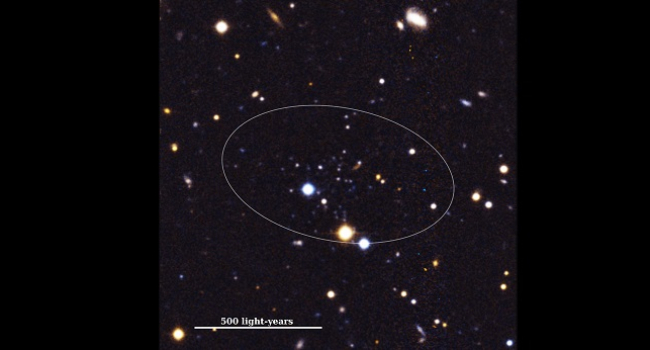
Astronomers from the University of Michigan have made a groundbreaking discovery that could reshape our understanding of galaxy formation. They’ve identified a new dwarf galaxy, Andromeda XXXV, the smallest and faintest known satellite of the Andromeda Galaxy. The findings, published in The Astrophysical Journal Letters (AJL), challenge long-held assumptions about how galaxies evolve across cosmic time.
What We Know About Andromeda XXXV
- Location and Scale: Situated approximately 3 million light-years from Earth, Andromeda XXXV is a mere speck compared to its neighbors, weighing in at about a million times less than the Milky Way—yet it qualifies as a full-fledged galaxy.
- Star Formation Timeline: Unlike the Milky Way’s satellites, which largely halted star formation around 10 billion years ago, Andromeda XXXV kept producing stars until as recently as 6 billion years ago, defying expectations for such a tiny system.
Why This Discovery Matters
- Rethinking Galaxy Evolution: Conventional wisdom held that small galaxies quickly lose their gas reserves, snuffing out star formation early in their lives. Andromeda XXXV’s prolonged activity suggests these dwarfs can cling to gas far longer than predicted, forcing a reevaluation of how galactic ecosystems develop.
- Temperature’s Role Reconsidered: Classic theories posited that, after the universe’s first billion years, intense heat stripped dwarf galaxies of their star-forming gas. Yet Andromeda XXXV’s extended star formation challenges this narrative, hinting that environmental or internal factors might shield such galaxies from cosmic conditions.
- Advancing Detection Techniques: Spotting this faint object was a feat made possible by the Hubble Space Telescope and cutting-edge data analysis. This breakthrough expands our ability to uncover hidden galactic relics, offering a clearer window into the universe’s past.
What’s Next?
Scientists are now digging into how Andromeda XXXV managed to retain its gas and sustain star formation despite the gravitational pull of its massive host, Andromeda. These insights could illuminate the dynamics of the early universe, refining our models of cosmic evolution and revealing the resilience of even the smallest galaxies in the face of a chaotic cosmos.