make preferable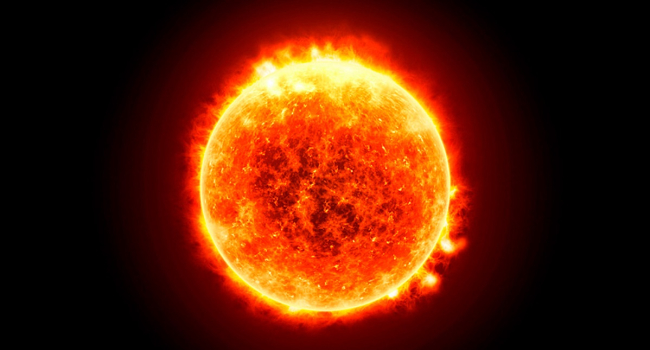
By the end of the week, Earth will come under the influence of a coronal hole on the Sun, potentially triggering geomagnetic disturbances. This warning comes from experts at the Solar Astronomy Laboratory of the Space Research Institute (IKI RAS) and the Institute of Solar-Terrestrial Physics (ISZF SB RAS).
What’s Happening on the Sun?
Scientists have observed two large coronal holes on opposite sides of the solar disk. Approximately once a month, each of these holes aligns with Earth, causing an increase in solar wind speed. Currently, our planet is within the reach of the second coronal hole, which is smaller than the first. While its impact on Earth’s magnetosphere will be less intense, it will still be noticeable.
What’s the Forecast?
According to the laboratory’s data, the likelihood of magnetic storms over the next two days ranges from 20% to 40%. The solar wind speed is steadily increasing, already exceeding 600 km/s in some areas. Preliminary estimates suggest that Earth will remain affected by this coronal hole until March 2.
How Do Magnetic Storms Affect People?
Experts have previously cautioned that geomagnetic disturbances can lead to:
- Headaches
- Dizziness and weakness
- Tinnitus (ringing in the ears)
- Insomnia and disruptions to circadian rhythms
- Mood swings
Paramedic Natalya Balan advises that to mitigate the negative effects of magnetic storms, people should rest more, change their environment, and practice breathing exercises. It’s also crucial to monitor well-being and avoid overexertion.
Preparing for the Days Ahead
In the coming days, specialists recommend paying close attention to your health and preparing in advance for potential fluctuations in how you feel.