make preferable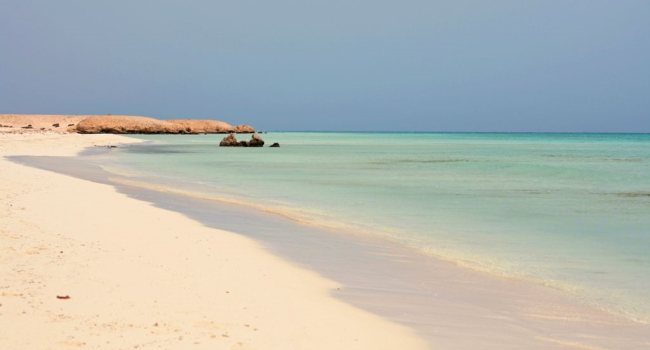
Scientists have concluded that Mars, a planet now characterized by its arid landscape and intense radiation, may once have boasted beaches. Previous discoveries, such as networks of valleys and sedimentary rocks, hinted that rivers once flowed across the Red Planet, sparking debates among researchers about whether it also hosted oceans.
Now, a new study claims to provide fresh evidence supporting this theory—underground beaches detected beneath Mars’ surface. Published in the Proceedings of the National Academy of Sciences, the research details how scientists made this breakthrough by analyzing subsurface imaging data gathered by China’s Zhurong rover.
The study’s authors note that findings from Mars’ northern lowlands mirror observations from Earth’s coastlines obtained via ground-penetrating radar. Both reveal subsurface features tilted at consistent angles toward lowlands or oceans, suggesting the presence of ancient shorelines.
According to the researchers, this Martian beach appears to have shifted over time. The data uncovered a series of features that, as lead author Dr. Benjamin Cardenas explains, indicate the beach extended deeper into the ocean. In fact, it stretched at least 1.3 kilometers northward into what was once a vast body of water. Cardenas described the implications as thrilling.
It’s a simple structure, but it tells us there must have been tides, waves, and a nearby river delivering sediment—all active over a significant period, he said.
While the team acknowledged that these tilted surfaces could result from other types of activity, they argue that no alternative explanation fits the data.
The sceintists ruled out volcanic formations, river channels, and wind-blown sand dunes—things you see often on Mars—but the structure just doesn’t match any of them, Cardenas explained.
He emphasized that this discovery carries profound implications for understanding Mars’ past habitability. A beach is where shallow water meets air and land. It’s thought that life on Earth first emerged in such settings, and I believe this would be an ideal spot for a future mission to search for signs of past life.
However, while Mars’ ancient shoreline may have been sandy, its resemblance to Earth’s beaches ends there. Not only would it lack palm trees and seagulls, but Cardenas notes it was likely quite chilly too.