make preferable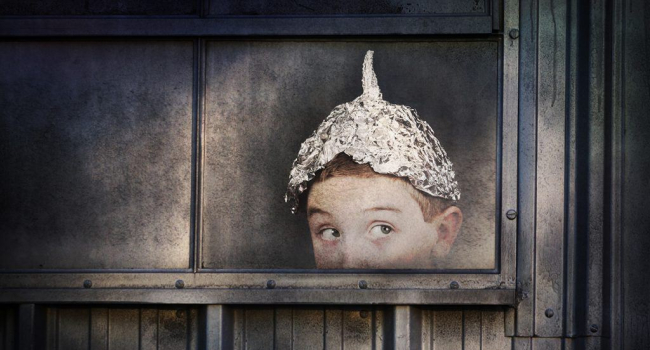
A recent magnetic storm left many people complaining of headaches, fatigue, and even fainting, alongside disruptions in electronic devices. This has reignited discussions about ways to shield oneself from the effects of space weather. Some believe that a tin foil hat could offer protection from magnetic storms, but scientists firmly debunk this notion as a myth.
Why Don’t Tin Foil Hats Work?
Inventor Evgeny Rodimin claims that such hats can shield against geomagnetic storms and household radiation, yet his assertions lack scientific backing. According to science journalist Alexander Sergeev, these ideas stem from esoteric beliefs and pseudoscience.
Sergey Bogachev, an expert from the Space Research Institute of the Russian Academy of Sciences, explains that while metals can indeed block certain electromagnetic waves—like radio waves or mobile phone radiation—magnetic fields are a different story. They cannot be shielded by metals, rendering foil hats ineffective as a protective measure.
What Methods Might Actually Help?
Some bloggers, such as American Denise Dryden, attribute health issues to magnetic storms and suggest alternative coping strategies like meditation, rest, and "grounding" (walking barefoot on the earth).
Meanwhile, neurologist Zagidat Konovalova proposes Botox injections as a potential remedy for headaches triggered by magnetic storms. This approach has already proven effective in treating migraines, though further research is needed to confirm its benefits in this context.
In conclusion, the idea of a tin foil hat offering protection is nothing more than a myth. True defense against magnetic storms lies either in helping the body adapt or relying on proven medical techniques.